
"The prettiest village I have ever seen"
The town's spring-fed gardens and historic buildings tell us that some of the country's most influential writing was produced not in a bustling city but in a small Karoo town chosen for its climate, and, perhaps above all, its beauty.
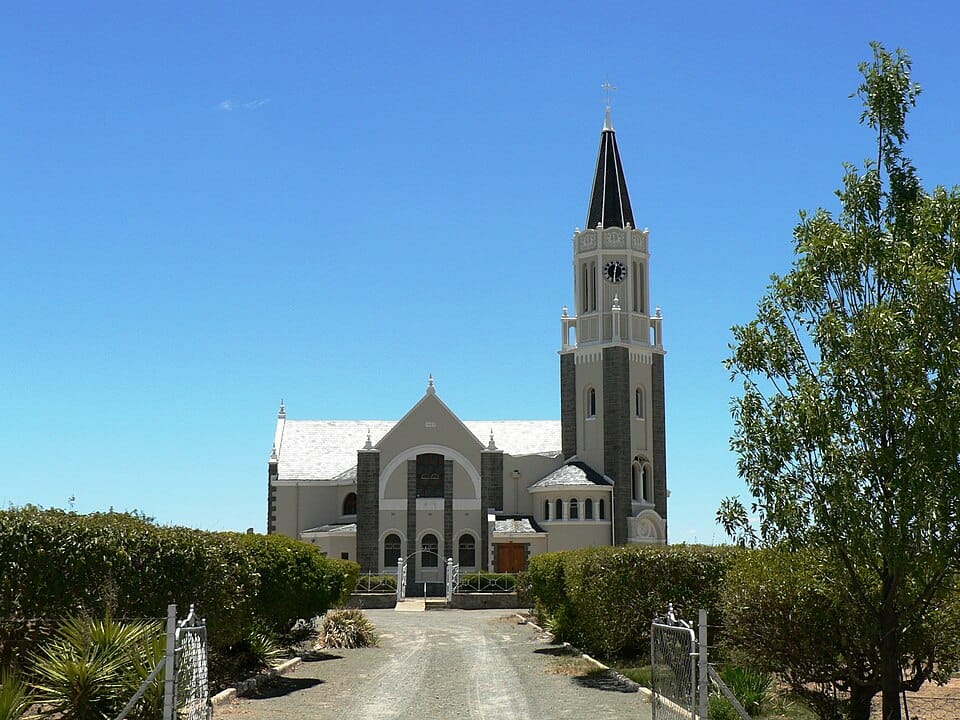
The small Northern Cape town of Hanover was once home to one of the country's greatest writers. From 1900 to 1907, Olive Schreiner found relief there from chronic asthma while also producing some of her most influential political writing. She even described Hanover as "the prettiest village I have ever seen", a true compliment from someone who knew the Karoo better than almost anyone.
Hanover actually contains one of the lesser-known chapters in South Africa's literary history.
A town chosen for health
When Olive Schreiner and her husband, Samuel Cronwright-Schreiner, settled in Hanover at the beginning of the twentieth century, the decision was driven as much by necessity as preference. Schreiner had struggled with severe asthma for much of her adult life. Doctors often recommended dry inland climates for patients suffering from chronic lung conditions. The clean, arid air of the Karoo was believed to ease breathing while offering a healthier environment than the damp coastal regions.
Hanover provided exactly those conditions. Situated on the edge of the Great Karoo, the town combined dry air with an unusually reliable natural spring that had supported the settlement since its founding.
A place of recovery and political struggle
These years coincided with one of the most turbulent periods in South African history. The South African War had broken out, the country's political future was uncertain and debates around imperialism, race and women's rights were becoming increasingly urgent.
Schreiner immersed herself in these national conversations from her home in Hanover.
She wrote essays and political commentary that challenged injustice while defending individual freedom and equality. Much of the correspondence from this period reveals a writer deeply engaged with the future of South Africa, despite living in what many would have considered a remote Karoo village. Hanover, this isolated Karoo hamlet, became the place from which she continued influencing public life.
The village she admired
Schreiner's description of Hanover as "the prettiest village I have ever seen" may surprise modern travellers who know it mainly as a brief stop along the N1.
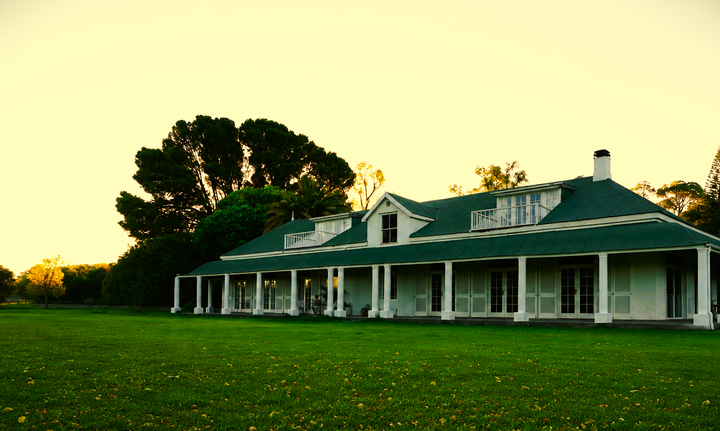
The town was built around a powerful natural spring that fed an extensive network of irrigation furrows, or leivoortjies. Water flowed through tree-lined streets while gardens flourished in a place more commonly associated with dry plains and hardy shrubs. The result was a settlement that combined Victorian architecture with mature trees and abundant greenery, creating an environment unlike much of the surrounding Karoo. Those qualities undoubtedly contributed to the town's appeal for Schreiner.
A forgotten literary destination
Hanover seldom features alongside better-known literary destinations, despite its connection to one of South Africa's most celebrated authors. Visitors regularly travel to Cradock to explore Schreiner's childhood home or to Matjiesfontein, where her name is closely associated with the town's history. Hanover, by comparison, is often overlooked despite the important years she spent there. That is a missed opportunity.
For readers interested in South African literature, Hanover gives a glimpse into the mature years of Schreiner's life, when her attention increasingly shifted from fiction towards social justice and public debate. It was here that one of the country's greatest thinkers continued developing ideas that would influence generations of readers and reformers.
Looking at Hanover differently
Thousands of motorists pass through Hanover every year on their way between Johannesburg and Cape Town, often stopping only long enough to refuel or enjoy a meal before continuing their journey.
Few realise they are travelling through a town that played a meaningful role in South Africa's literary history.
The town's spring-fed gardens and historic buildings tell us that some of the country's most influential writing was produced not in a bustling city but in a small Karoo town chosen for its climate, and, perhaps above all, its beauty.
 Naomi Roebert
 Mariana Balt
 Liz Thorne
 Lynette Spencer

Comments ()