
The pantry's greatest lesson is that food was once understood as a seasonal resource that required knowledge and labour. Behind every flour bin and bottle of apricot preserve was the same question: how do we make today’s abundance carry us through what might come next?
The shelves of the old farm pantry told a more complex story than the labels on the jars revealed. Flour spoke of mills and long supply journeys, apricot preserve recorded a brief summer harvest, while salt pointed to the fact that heat could leave a household short of food.
The Karoo farm pantry was a carefully managed system influenced by alternating scarcity and seasonal abundance and the uneasy knowledge that drought could interrupt everything.
A room designed to resist the heat
Before electric refrigeration, keeping food cool began with the building itself. Pantries were commonly placed away from the strongest afternoon sun, while thick walls and ventilation slowed the rise in temperature.
A pantry could not refrigerate milk or meat in the modern sense. It could, however, provide steadier conditions than a hot kitchen. Similar principles were used across the world, where cellars and caves allowed people to delay spoilage long before mechanical refrigeration.
Mesh-covered openings allowed air to move while keeping flies out. Stone or compacted floors stayed relatively cool and shelves were raised food above damp and rodents. The room itself was therefore the first preservation tool.
Flour and meal kept the household going
Flour was valuable because it could become bread, rusks, dumplings, puddings or a thickener for gravy. Grain could last for months if it was kept dry and free from insects.
Large flour bins were not decorative pieces of furniture. Their fitted lids protected supplies from weevils and mice, while their size reflected the practicalities of rural purchasing. A distant farm couldn't rely on collecting a small packet every few days.
Rusks were especially useful because baking drove out most of their moisture. Once dried slowly, they kept longer than an ordinary loaf and could be packed for shepherding work or trips into town. Eve Palmer’s 1992 book Return to Camdeboo: A Century’s Karoo Foods and Flavours captures the breadth of this food culture through references to bread, mealies, bottled fruit, meat, milk and familiar Karoo recipes. Such foods were everyday answers to isolation before they became carefully arranged symbols of heritage.
Sugar turned a harvest into a reserve
Fruit trees produced more than a household could eat during a short ripening season. Apricots, peaches, pears, quinces, figs and grapes therefore had to be eaten or preserved quickly.
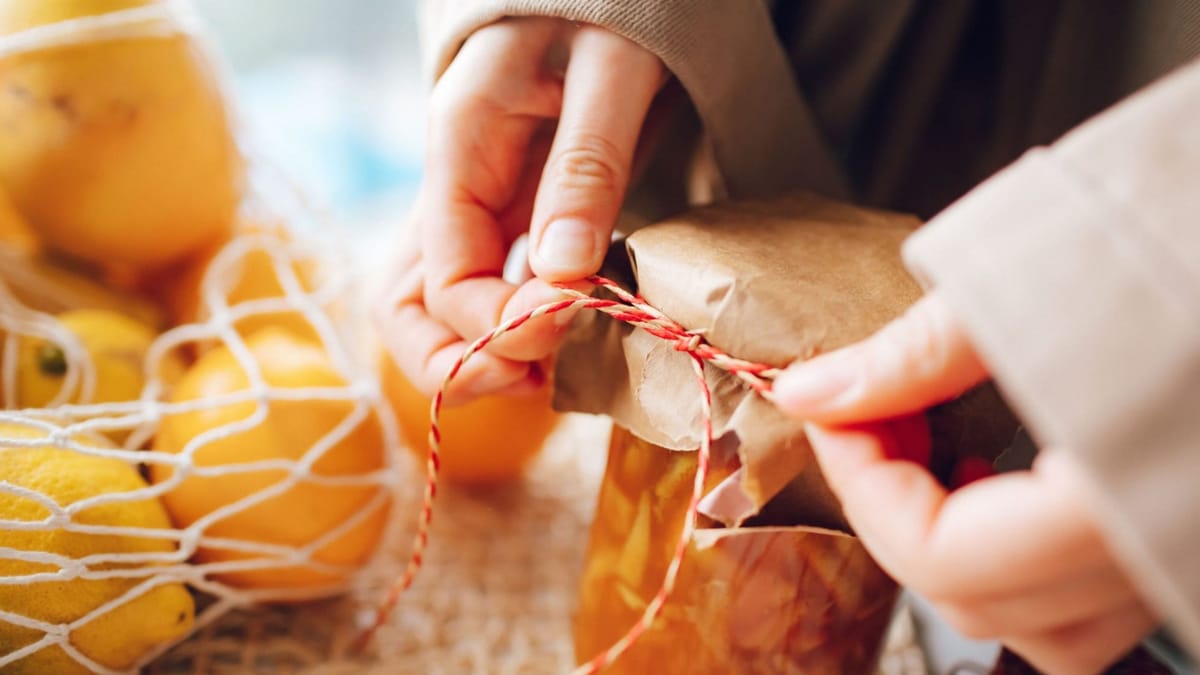
Sugar provided one answer. Cooking fruit with sugar reduced the water available to spoilage organisms, while bottling offered another way to extend the harvest. The history of jam stretches back centuries, although heat processing in sealed containers only emerged around the end of the 18th century.
Rows of konfyt represented security. They also preserved variety, bringing the flavour of summer into meals when gardens were wintering and fresh fruit was scarce.
Salt and dry air protected meat
Meat presented a different problem. Once an animal had been slaughtered, a household suddenly possessed far more fresh meat than it could use before spoilage began.
Cooler winter weather made slaughtering and processing easier, while the Karoo’s dry conditions assisted with dehydration. Some meat was shared or cooked immediately. Other portions could be salted and dried or made into products intended to keep longer.
Salt draws out moisture, creating conditions in which many spoilage organisms struggle to grow. Drying works for a related reason, although neither method is as simple as hanging meat and hoping for the best. Temperature, cleanliness, humidity, airflow and the thickness of the meat all matter.
Earlier households accepted risks that are avoidable today, while contemporary curing should follow tested food-safety guidance.
Vinegar gave vegetables another life
Pickling offered a sharp-flavoured solution for onions, cucumbers, beetroot and other garden produce. Vinegar creates an acidic environment that slows or prevents the growth of many harmful organisms.
The method is ancient. Vinegar itself is made when sugars or starches ferment into alcohol before bacteria convert that alcohol into acetic acid. Glass and glazed stoneware were suited to pickles because acidic vinegar could react with certain metals.
Chutneys, relishes and spiced preserves also bore the evidence of much wider historical movement. Pepper, cinnamon, cloves, nutmeg and other flavourings reached Cape kitchens through commercial routes that were closely bound to colonialism and slavery. The Karoo pantry was local, but many of its flavours were not.
Butter, fat and cheese bought time
Fresh milk deteriorated rapidly without refrigeration. Turning cream into butter or milk into cheese extended its usefulness, while placing dairy products in the coolest part of the pantry bought additional time.
Rendered animal fat served as a cooking ingredient and could be kept longer than untreated fatty tissue because much of its water had been removed. Nothing was casually discarded.
Bones could flavour stock, fat could be used for cooking and surplus milk could be transformed before it soured. This careful use of food was also necessity. Replacing a spoiled ingredient might involve a long journey or waiting until the next household purchase.
The labour behind the orderly shelves
The romance of a full pantry can hide the amount of work it took to fill. Fruit had to be picked, peeled and cooked. Bottles needed washing, meat required careful processing and grain supplies had to be checked repeatedly for insects.
Much of this rural household preparation was performed by women, children, domestic workers and farm labourers. The pantry's greatest lesson is that food was once understood as a seasonal resource that required knowledge and labour.
Behind every flour bin and bottle of apricot preserve was the same question: how do we make today’s abundance carry us through what might come next?
 Mariana Balt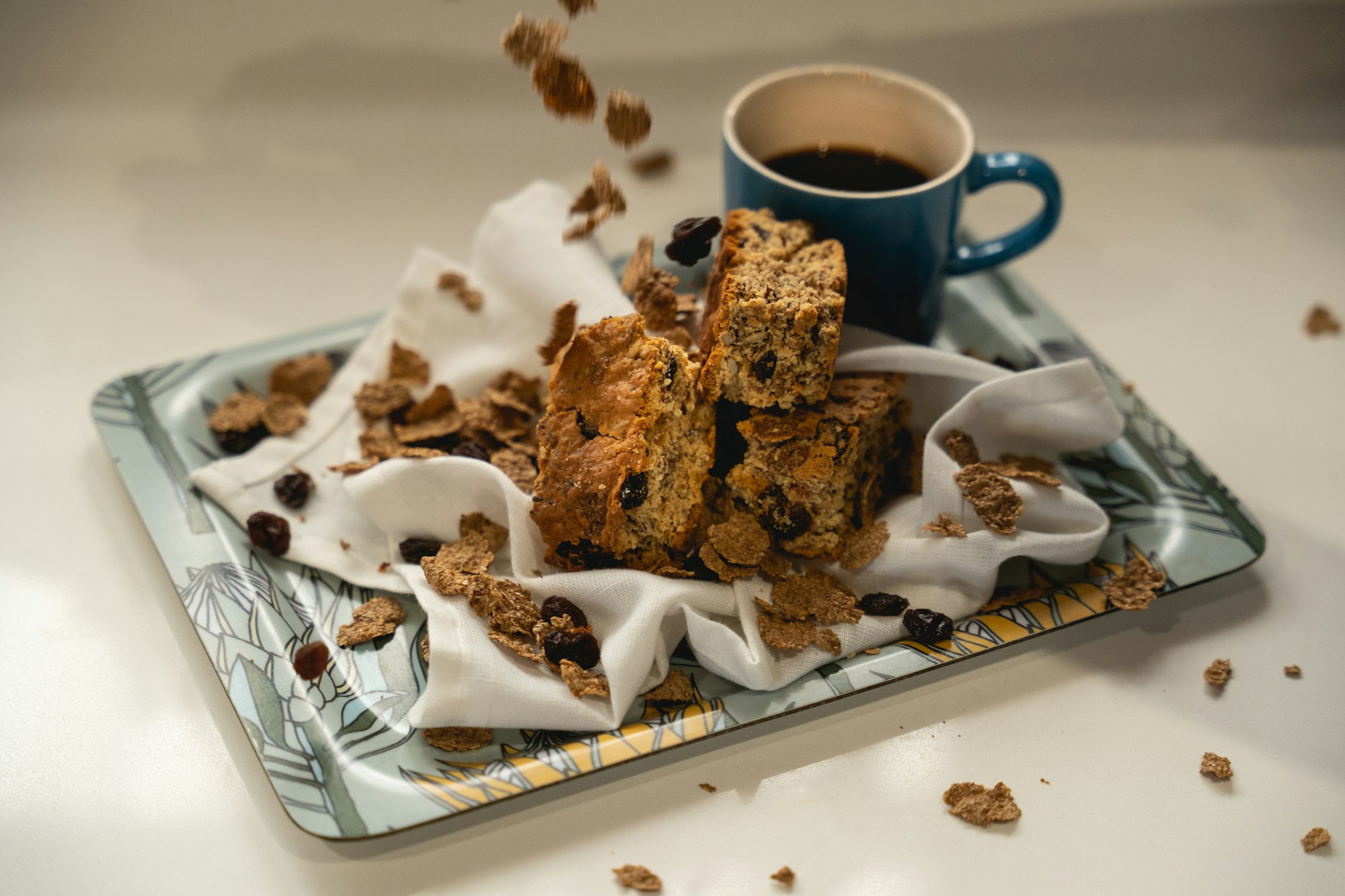
 Lynette Spencer
 Liz Thorne
 Anchen Coetzee


Comments ()