
What happened to the quince?
The quince has not become easier - but then, neither have the neighbours. The knife is still resisted and the cook takes time. But as the flesh softens and the scent lifts, an awkward inheritance is transformed into something that might impress your guests.
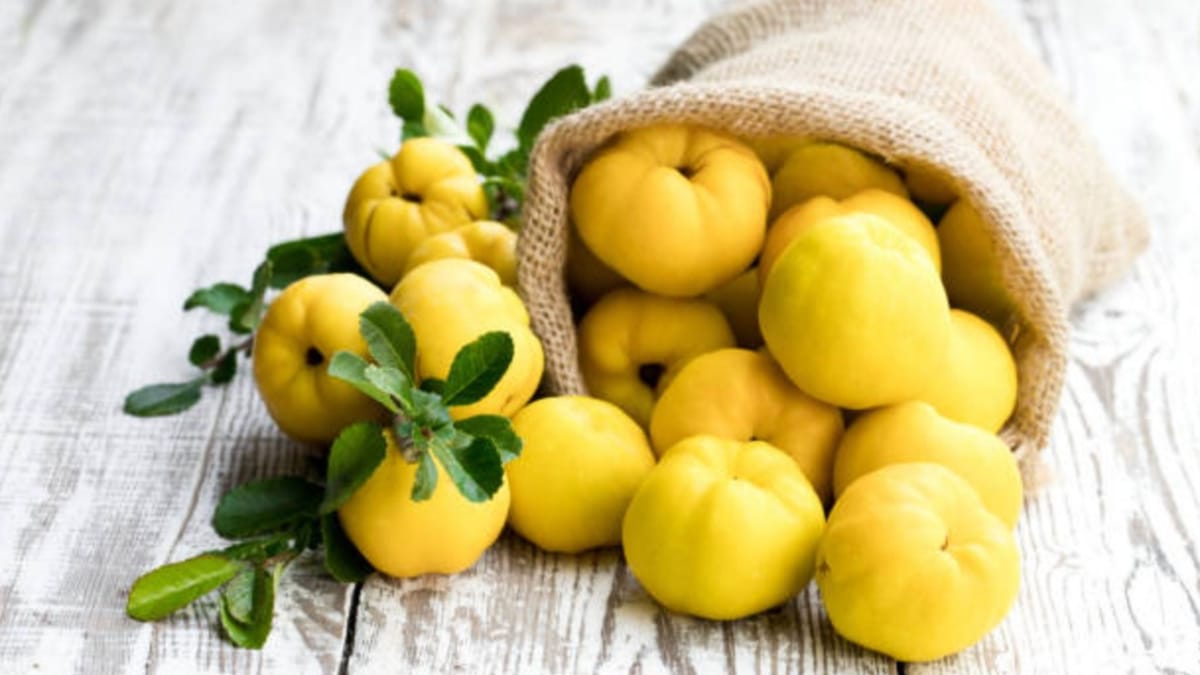

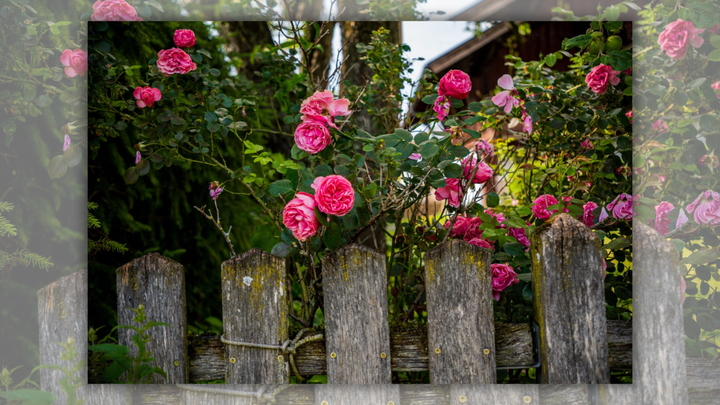
When Murraysburg’s residential plots went on sale in 1856, buyers acquired a very specific responsibility. According to historian Rose Willis’s account, published by the Karoo Development Foundation, the conditions required properties to be surrounded by a pomegranate or quince hedge.
A quince hedge provided both a boundary (walls make good neighbours, after all) and food. But quinces don't deliver the immediate pleasure of a peach eaten over the sink. They are hard and fragrant, with a resistant core, not unlike some neighbours.
A fruit that expects something from you
The true quince, Cydonia oblonga, is a relative of apples and pears, with a native range that Kew places from the Caucasus to Central Asia. This varietal is distinct from the flowering quinces grown as ornamental shrubs, although those can also bear aromatic fruit.
The resemblance to its more obliging relatives can be misleading. Many quinces are too hard and astringent to enjoy raw - until cooking softens their otherwise belligerent substance.
The flesh softens and the astringency diminishes and, with prolonged cooking under the right conditions, pale fruit can become pink or deep red. Food scientist Harold McGee explains the colour change through the transformation of phenolic compounds into anthocyanin pigments.
But the quince is also useful for its pectin - an ingredient which jam-makers hold in high esteem.
Quinces, when not overripe, contain enough natural pectin and acid to form jelly with added sugar, so that the raw fruit's inconvenient characteristic becomes useful in the preserving pan.
Before marmalade meant oranges
In the Folger Shakespeare Library’s collection is a letter from Jane Skipwith to Lewes Bagot, to whom she was secretly engaged. In a postscript dated March 24, probably 1611, she tells him she has sent a small box of marmalade.
As Folger curator Heather Wolfe explains, early seventeenth-century marmalade was commonly made from quinces and was firm enough to slice. It could be served after an elaborate meal, providing restoration and digestion. Quinces were also symbolic of love and fertility, adding another possible meaning to the gift.
In fact, Portuguese marmelada derives from marmelo, quince.
Wolfe found hundreds of recipes for differently coloured quince marmalades in the library’s recipe-book transcriptions. Cooks put them into boxes, glasses and pots. This was a food with methods and a vocabulary of its own.
A Cape household knew its uses
At the Cape, the quince belonged to an established preserving tradition. Food historian Hetta van Deventer-Terblanche, in an account published by La Motte, places the quince among the earlier foods preserved in the Cape and describes the fruit’s place in both sweet dishes and savoury meals.
Hildagonda Duckitt’s Hilda’s “Where Is It?” of Recipes gives a more intimate view of what the work involved.
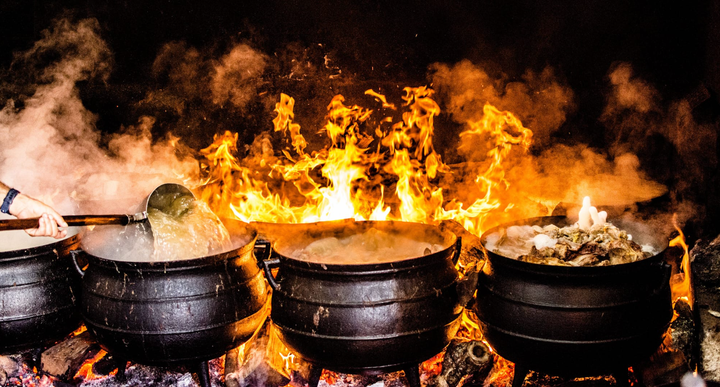
Her quince-preserve instructions begin with peeling, quartering and carefully removing the hard interior. The peelings are boiled separately, then strained. The resulting liquid returns to the preserving pan with sugar and the prepared fruit. Cooking continues until the pieces are translucent and the liquid forms a jelly when cold. Duckitt suggests serving the preserve with whipped cream. Elsewhere, her saddle-of-mutton recipe recommends quince or redcurrant jelly. The fruit could accompany a large roast as readily as it could finish a meal.
These recipes show why a household might value a tree whose fruit needed preparation. A harvest could become accompaniments, desserts and gifts and not merely a brief abundance of fresh snacks.
A hedge is a different sort of orchard
In the Karoo, the quince was useful outside the kitchen, too.
Willis’s Murraysburg history puts fruiting hedges at the town’s foundation. Reporting from the town in 2022, Chris Marais described large residential plots whose earlier productivity included quince hedges, vegetables and fruit trees. His account follows the irrigation furrows that made these gardens possible.
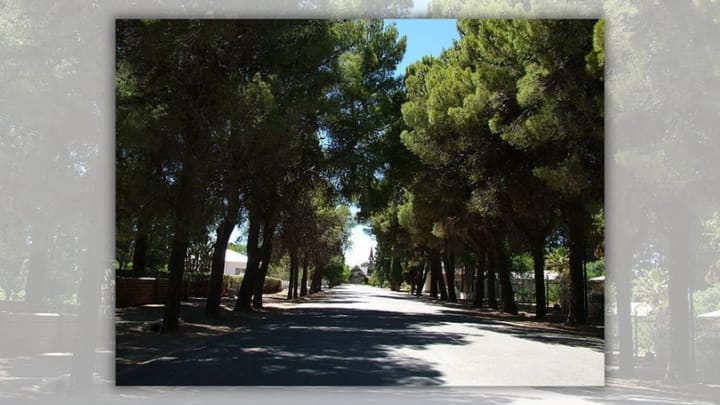
In Nieu-Bethesda, the Kitching Fossil Exploration Centre’s description of the village notes old pear trees and quince hedges along roads and fields, in settlement fed by spring water and furrows. The quince thus belonged to a cultivated pocket of a dry region.
What changed was the calculation
It's tempting to turn the quince into another casualty of modern impatience. Our grandparents understood fruit; we want convenience. There's no national consumption series establishing exactly when South Africans stopped eating quinces, or even a single disappearance to explain. The fruit is still found in many gardens and contemporary kitchens. Babylonstoren uses it in fruit rolls, chutney and baked desserts.
But if a jam can be bought, the annual preserving session becomes a choice. If a household has less storage and little uninterrupted cooking time, a basket of quinces can look like a major obligation.
That said, the older kitchens weren't places of leisure. The person remembered for a pantry full of preserves spent long hours stocking its shelves. But today, each hour is counted and weighed as carefully as the fruit.
Keeping something without keeping everything
A few pieces of quince cooked with apples can introduce its fragrance without committing anyone to a cupboard of jelly. A small batch of paste can make sense where processing the whole tree does not.
For those taking on an old Karoo garden, the important first step is to take stock of what you have just inherited. Find out what the tree is before removing it. Ask previous owners or neighbours whether they remember its fruit and uses and notice whether an untidy row was once a hedge.
The quince has not become easier - but then, neither have the neighbours. The knife is still resisted and the cook takes time. But as the flesh softens and the scent lifts, an awkward inheritance is transformed into something that might impress your guests.
🎶 𝖣𝖾𝗄𝖺𝖽𝖾𝗌 𝗌𝖾 𝗈𝗈𝗋𝗌𝗉𝗋𝗈𝗇𝗄𝗅𝗂𝗄𝖾 𝖠𝖿𝗋𝗂𝗄𝖺𝖺𝗇𝗌𝖾 𝖽𝗂𝗀𝗄𝗎𝗇𝗌 𝗄𝗋𝗒 𝗇𝗎𝗐𝖾 𝗅𝖾𝗐𝖾 𝖽𝖾𝗎𝗋 𝗆𝗎𝗌𝗂𝖾𝗄. 𝖶𝖾𝗅𝗄𝗈𝗆 𝗂𝗇 𝗆𝗒 𝖪𝗅𝖾𝗂𝗇 𝖪𝖺𝗋𝗈𝗈 - 𝖡𝗈𝗅𝖺𝗇𝖽𝗌𝖾 𝖻𝗂𝗇𝗇𝖾𝗄𝖺𝗆𝖾𝗋.
Comments ()