
How the ostrich feather king made, lost and rebuilt his Karoo fortune
Rose’s story shows how quickly global fashion created a local fortune, and how suddenly it withdrew that wealth. His story also shows why one trader continued to trust the ostrich after almost everyone else had lost faith.

In 1890, a 17-year-old immigrant named Max Rose arrived in Oudtshoorn from Shavli, now Šiauliai in Lithuania. He came to a farming district that was being transformed by one of the world’s most extravagant fashions.
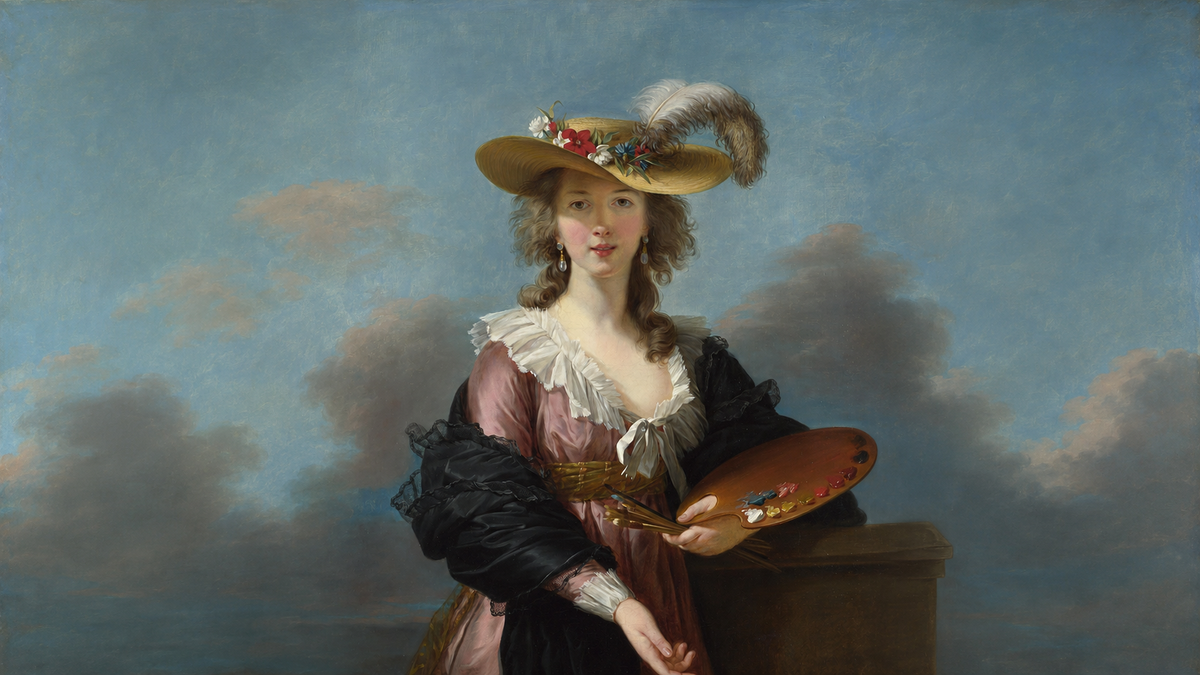
Women in London, Paris and New York wanted ostrich feathers for their hats and boas. Oudtshoorn had the birds and the irrigated lucerne needed to feed them. Rose saw an opportunity.
He began working as a feather buyer and ostrich breeder, with business interests extending into the Ladismith district. The young immigrant became one of the most influential figures in the ostrich feather trade in little more than a decade.
A fortune carried in a feather sack
Oudtshoorn’s feather economy depended on a chain of people. Farmers raised the birds while travelling traders visited isolated properties to buy feathers and carry them back to town. Dealers sorted the plumes according to size and quality before sending them overseas.
Rose understood both the ostrich and the market. Historical accounts describe him as a skilled breeder who studied how the birds developed and how feather quality could be strengthened. He also followed changing tastes in Europe and the United States, where a small alteration in fashion could raise or destroy the value of a season’s crop. Local farmers regularly consulted Rose about breeding and international demand.
An extraordinary amount of money moved through the industry. The gross value of the Cape’s feather trade reportedly increased from £87,074 in 1870 to more than £1 million in 1882. This rapid growth attracted Jewish immigrants from Lithuania and other parts of Eastern Europe to Oudtshoorn.
Many arrived with little capital and began as travelling general dealers. They sold household goods to farming families while buying whatever feathers were available. The Oudtshoorn district reportedly had 277 licensed feather buyers by 1910, almost all of them Jewish.
Rose and his brothers became recognised figures within that community, although Max’s knowledge earned him the title of South Africa’s “ostrich feather king”.
Historian Sarah Abrevaya Stein places Rose and his former business partner Isaac Nurick within the international network connecting Klein Karoo farms to merchants and fashion houses across the Atlantic. Her research shows that this was a sophisticated global trade.
When the market stopped buying
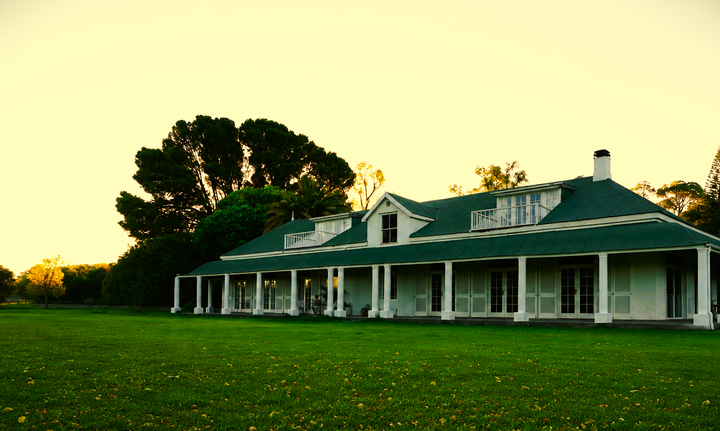
The second great Oudtshoorn feather boom reached its height between 1900 and 1914. Money from feathers funded public buildings and the ornate sandstone houses that became known as feather palaces. The C.P. Nel Museum preserves clothing and equipment from this period.
Though the wealth looked solid, it relied on fashion, and that made it dangerously fragile.
The familiar explanation is that motorcars caused the collapse because large feathered hats were inconvenient in open vehicles. While cars played a part, the truth was that fashions were already changing while animal-protection campaigns challenged the use of bird plumage. Overproduction weakened prices and competitors in other countries were entering the market. The First World War then interrupted international trade.
By 1914, feathers that had commanded extraordinary prices could no longer support the farms and households built around them. Rose lost heavily, as did producers across the Klein Karoo.
The decline continued long after the first crash. South Africa had about 314,000 domesticated ostriches in 1918, but only around 32,000 remained by 1930.
Rose refused to give up
Many people left the industry or moved their money elsewhere. Rose still believed that ostriches had a future.
His knowledge was valuable even when the market was weak. Government consulted him about the depressed industry while farmers drew on his experience. He kept breeding birds and waited for demand to return.
His patience eventually paid off. Fashion interest in feathers revived to some extent during the 1940s, allowing Rose to rebuild his position. The recovery never recreated the wild prosperity of the years before 1914, but it gave his story an unexpected final chapter.
In 1951, the American magazine Time reported that the 78-year-old Rose owned 8,000 ostriches. The article described a man who had made and lost fortunes in feathers and was ready to make another. That contemporary report, “The Feather Merchants”, was published only months before his death.
A Karoo story that went global
Rose’s life is sometimes presented as the tale of a remarkable businessman, but his story is also a warning about what happens when an entire district depends on distant consumers.
The farmers of Oudtshoorn could raise excellent birds and produce beautiful feathers, but they could not control what women in Paris chose to wear. A change on a European hat brim would be felt thousands of kilometres away on the lucerne fields of the Klein Karoo.
Oudtshoorn’s feather palaces and museum collections preserve the visible remains of that age. Rose’s story shows how quickly global fashion created a local fortune, and how suddenly it withdrew that wealth. His story also shows why one trader continued to trust the ostrich after almost everyone else had lost faith.
 Lynette Spencer
 Mariana Balt
 Liz Thorne
 Anchen Coetzee

Comments ()