
The Karoo's unsung Art Deco trail
These buildings represent the ambitions of yesteryear, its economic development and cultural change. They capture a period when Karoo towns looked outward to embrace new ideas while holding fast to their local identities.
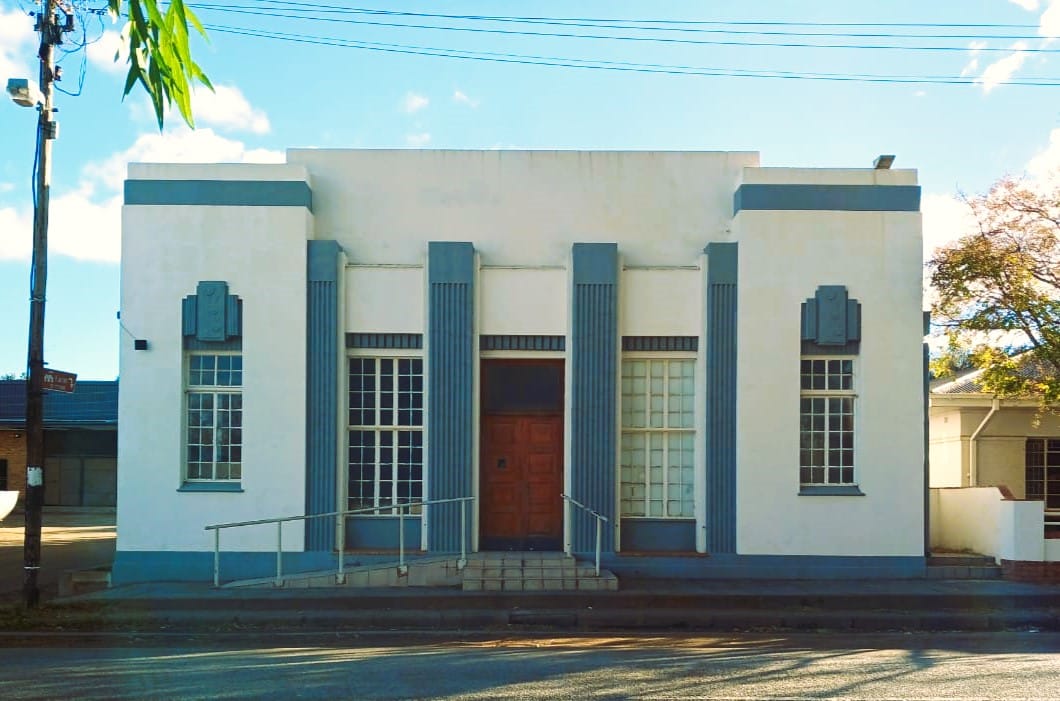
The Karoo is often celebrated for its Victorian architecture and deep connections to South Africa's farming history. Visitors expect church spires and dusty streets lined with century-old buildings. What many do not expect is an overlooked architectural treasure: a surprising collection of Art Deco buildings that tell of a region embracing modernity during the early twentieth century.
From former cinemas and municipal buildings to banks and hotels, the Karoo's Art Deco trail offers a fascinating glimpse into an era when optimism and new design ideas swept across South Africa.
While cities like Johannesburg and Durban are often associated with the movement, the Karoo absorbed these influences and left behind architectural gems that can still be found today.
A style born from optimism
Art Deco is characterised by geometric patterns and decorative motifs. The style emerged internationally during the 1920s and 1930s and epitomised the fascination with speed and progress in a world embracing modern industry and innovation.
South Africa adopted the movement enthusiastically. Growing commerce and increasing urbanisation brought fresh architectural ideas into towns large and small. Even remote Karoo communities wanted to project confidence and prosperity.
Business owners embraced contemporary design, resulting in a surprising number of Art Deco structures appearing across the semi-desert interior. Today these buildings are an architectural time capsule that preserves the spirit of an age that believed the future would be brighter.
Beaufort West and the modern age
One of the most rewarding places to begin exploring the region's Art Deco architecture is Beaufort West.
 Naomi Roebert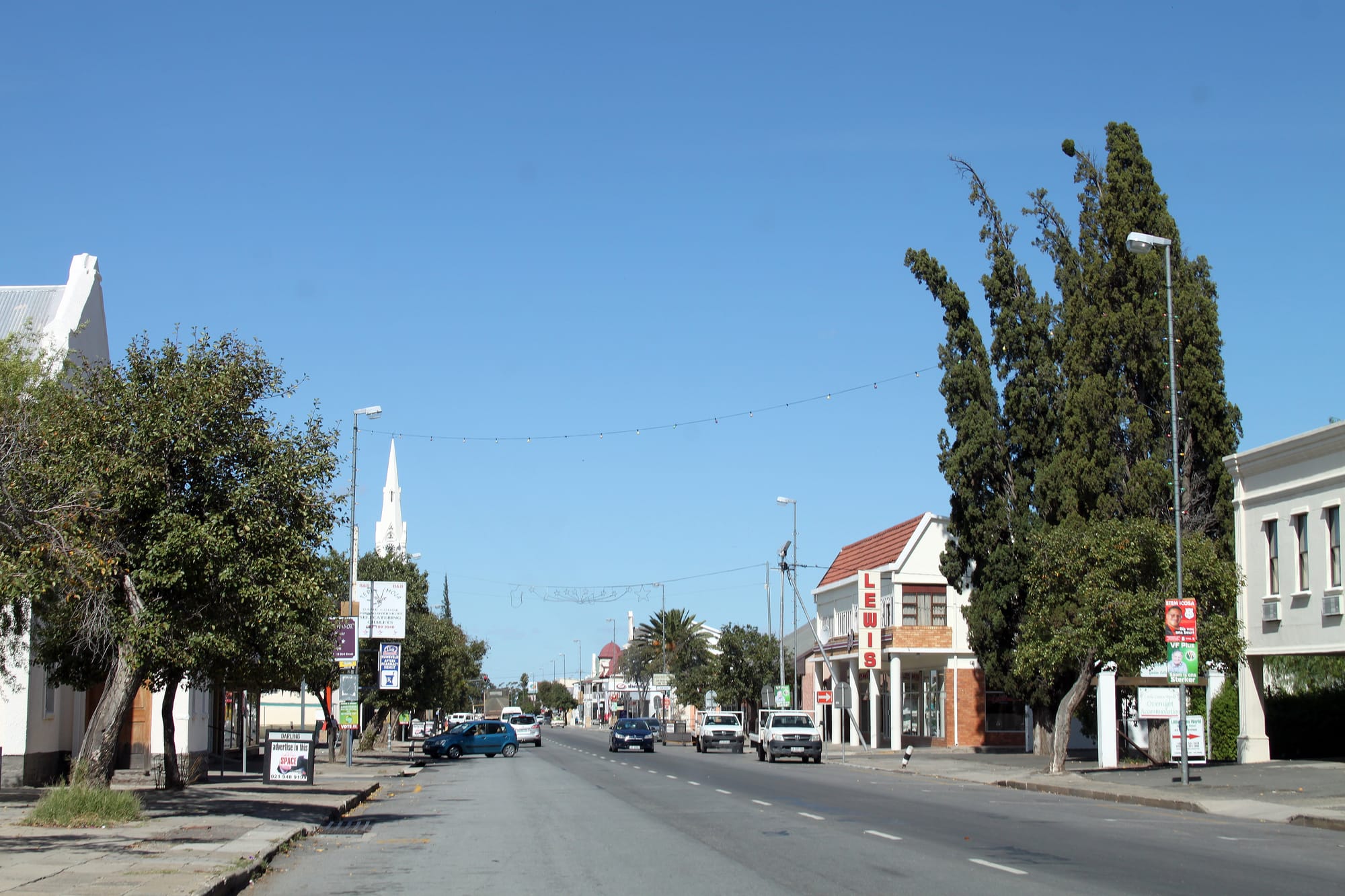
Look closely at commercial properties along the main streets and you will find curved façades and geometric detailing that distinguish them from the Victorian and Cape Dutch buildings nearby. These structures were built during a period when improved transport links and economic growth encouraged investment in new developments.
The railway connection
The story of the Karoo's Art Deco heritage cannot be separated from the railways. During the first half of the twentieth century, railway towns experienced periods of rapid growth as goods and workers moved through the interior.
 Naomi Roebert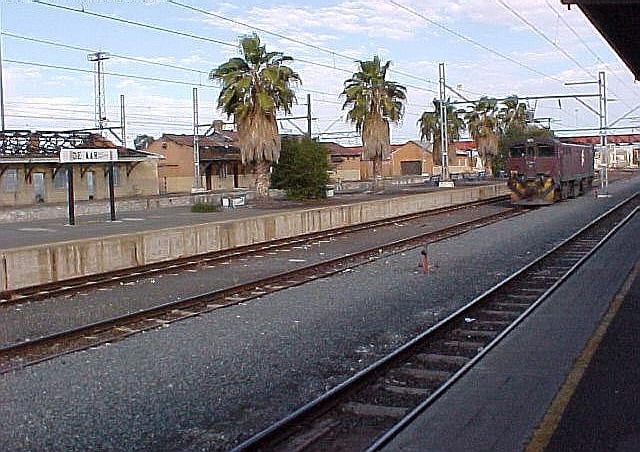
Places such as De Aar, one of the country's most important railway junctions, benefited from this activity. New public buildings and accommodation establishments often reflected contemporary architectural trends. Art Deco's clean lines and modern appearance aligned perfectly with the railway age, which celebrated speed and engineering.
Hidden gems in unexpected places
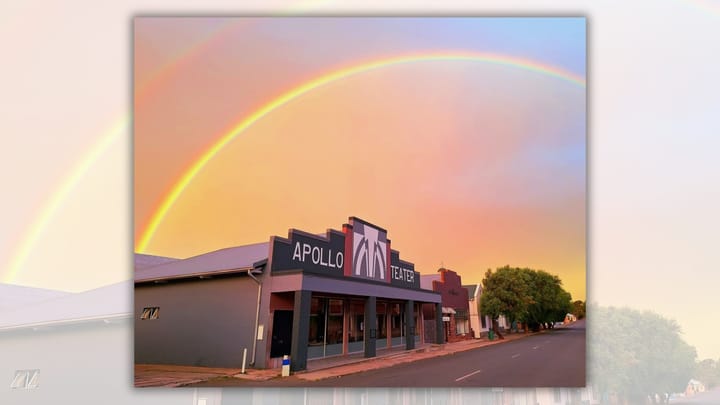
Unlike major cities where Art Deco landmarks are widely promoted, many Karoo examples are hidden in plain sight. A former cinema might reveal decorative geometric motifs above its entrance. A long-forgotten hotel might feature curved balconies and streamlined forms. An old bank building could display symmetrical detailing that reflects the movement's fascination with order and elegance.
The value of preservation
Neglect and redevelopment have led to the loss of numerous examples. Smaller towns have limited resources available for heritage conservation, making preservation even more difficult.
These buildings represent the ambitions of yesteryear, its economic development and cultural change. They capture a period when Karoo towns looked outward to embrace new ideas while holding fast to their local identities. Protecting this architectural heritage helps preserve a richer and more nuanced understanding of the region's past.
A different way to experience the Karoo
The region's Art Deco shows a side of the Karoo that is surprising and deeply connected to wider global currents.
The next time you find yourself wandering through a Karoo town, look up at the geometric patterns and elegant curves. You might find that one of South Africa's most overlooked architectural journeys has been hiding in plain sight all along.
 Mariana Balt
 Liz Thorne
 Lynette Spencer
Comments ()