
Why Karoo people are good at waiting rooms
The city idea that time equals entitlement does not survive its first Karoo appointment.
🔴 You might also like to read:
 Naomi Roebert
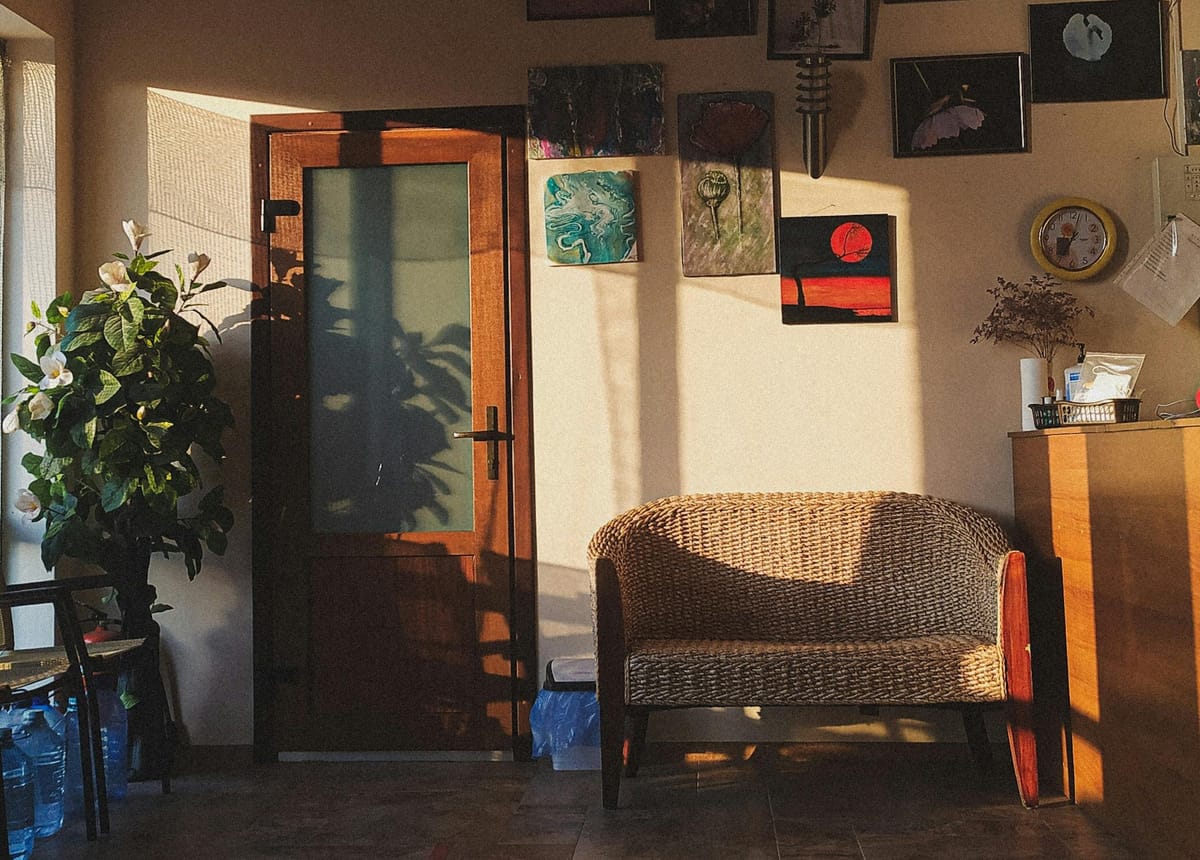
The waiting room in a Karoo doctor’s office has the smell of old magazines and coffee. The chairs are arranged in a way such a way that draws time close. People settle in, knowing they will be here a while. Anyone who arrives irritated has misunderstood the assignment.
Doctor’s offices and the illusion of urgency
A Karoo doctor’s office doesn't reward urgency. You can arrive early, on time or late and still end up waiting. Emergencies rearrange the day without apology, and a farm worker with a chainsaw injury trumps a lingering cough every time.
People understand this and respond with a muted but oddly philosophical grumbling. Someone watches the door for a neighbour who stepped outside to smoke or pace. Waiting embodies the collective.
The city idea that time equals entitlement does not survive its first Karoo appointment.
You wait because you always have
Waiting is the infrastructure of life in the Karoo. You wait for the doctor and the mechanic, for rain or a borehole pump to arrive from somewhere far away. You are trained to expect delay and plan around it, and not to confuse this waiting with crisis.
This is the daily rehearsal in managing expectations.
The mechanics of patience
The local mechanic’s yard functions as an advanced course in waiting room psychology. The vehicle is dropped off with a description, a nod and an unspoken agreement that this will take as long as it takes.
Parts do not materialise instantly. They travel and then they get lost. When they arrive, they are the wrong parts. You learn to ask useful questions, not demanding ones. You do not hover as hovering will not accelerate supply chains.
Rainfall is the longest wait of all
Rain teaches patience with a severity that no doctor ever could. Clouds gather theatrically and forecasts are flirtatious.
Farmers don't announce rain until it has soaked the ground properly, but once it has, they hurry to share their rainfall figures on the local groups. Some farms got more, others less. This is the flex deserved for enduring patience.
Waiting for rainfall recalibrates entire existences. If you can wait months for water, you can wait hours for a consultation.
The unspoken etiquette of waiting
There are rules in Karoo waiting rooms. You do not complain loudly or demand explanations. You do not act surprised that the system is strained.
You absorb updates indirectly, over the flicked page of a magazine. Someone mentions the doctor is running late. Someone else mentions a breakdown on the road, and the story fills itself in.
Waiting rooms as information exchanges
Waiting rooms double as intelligence hubs. You learn who is ill or struggling and who has not been seen around lately. News travels sideways and is often inferred. This is not gossip so much as community maintenance.
In doctor’s offices especially, vulnerability removes hierarchy. Everyone is there because something hurts or needs attention. Patience softens people and even creates temporary alliances.
The difference between anger and competence
Karoo people are not more patient by nature, they are simply more practised. Anger won't speed up the doctor and it will likely extend your vehicle's time at the mechanic.
Competence, on the other hand, adapts. A competent person brings a snack and the expectation of a chat, accepts the reschedule, and makes peace with the delay.
Children learn the drill early
Children raised here understand waiting instinctively. They sit in doctor’s offices without demanding entertainment or learn to read notice boards and listen to adult conversation, to tolerate boredom until it mutates into imagination.
The child who can wait grows into an adult who can endure uncertainty without panic.
The city shock
Karoo people moving to cities often struggle not with speed, but with impatience. The constant urgency feels theatrical and exhausting. They have been moulded by systems that do not pretend to be efficient so that they know the difference between unavoidable delay and manufactured rush.
Once you have waited for rain, a delayed email holds little power over you.
Waiting for answers
Some answers come slowly because they need to. Land issues or family decisions and business risks are not resolved in an afternoon. The Karoo allows these questions to ripen.
People are comfortable with unresolved things. The wisdom of waiting teaches you not to demand closure on schedule, and to trust accumulation over announcement.
What the waiting room teaches
Waiting rooms in the Karoo are classrooms that teach humility and restraint, and the understanding that not everything responds to pressure.
Doctor’s offices, rainfall and answers from the mechanic all run on their own clocks. Reading this alternate time requires a skill that looks like calm but is actually a hard-won grit earned in the ticking hours of uncertainty where the outcome cannot be seen, but it is there, on the horizon, just beyond that windpump.
🔴 You might also like to read:
 Naomi Roebert

Comments ()