
United Nations support elevates a local solution to a global model
The initiative could not only transform the Karoo’s environment but also offer a blueprint for how degraded lands in other arid and semi-arid regions can be brought back to life.
🔴 You might also like to read:
 Naomi Roebert
 Naomi Roebert
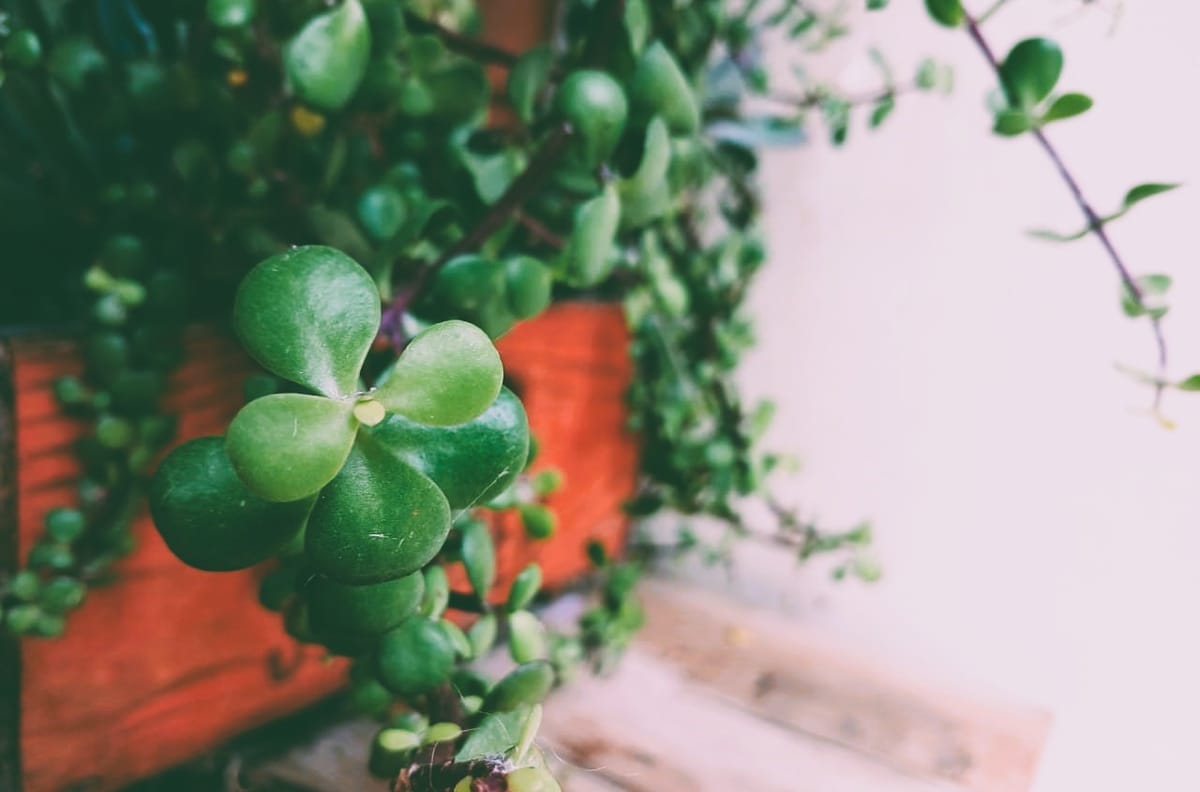
A native succulent plant known as spekboom is becoming the core of one of the most ambitious landscape restoration efforts in the world.
Supported by the United Nations, a coalition of organisations is driving a large-scale planting programme that aims to heal degraded land in order to support biodiversity and create meaningful work in rural communities.
The initiative comes at a moment when climate change and environmental degradation are pressing concerns both locally and globally.
A flagship for restoration
The United Nations Environment Programme has recognised the restoration of South Africa’s native thicket ecosystem as a World Restoration Flagship under the UN Decade on Ecosystem Restoration.
This status acknowledges large and sustained efforts to rehabilitate broken landscapes, making spekboom planting in the Karoo a symbol of practical ecological action rather than a local curiosity.
More than 60 partner organisations have joined the effort, aiming to bring nearly 800,000 hectares of depleted land back to life by 2030.
Spekboom is scientifically known as Portulacaria afra. It thrives in harsh, semi-arid environments like the Karoo’s thicket biome and is valued for its many ecological benefits.
Spekboom's ability to absorb carbon dioxide and store it in its tissues and in soil makes it a powerful tool against climate change. When planted at scale, the succulent can help pull carbon out of the air and lock it into the landscape.
Why spekboom matters
Degradation of the Karoo’s subtropical thicket began decades ago, largely because of overgrazing and land mismanagement. Once rich, dense shrubland gave way to barren ground that struggled to support wildlife or livestock.
Now spekboom is being planted to reverse that loss. This valiant plant deepens soil structure, anchors topsoil and matures into a dense patch of growth that other plant species can follow. Over time, it builds soil moisture and health, making degraded land more fertile.
Scientists say spekboom’s importance goes beyond carbon capture. It offers food and shelter to local wildlife and hardier grazing options for domestic animals in times of drought.
This is critical in regions where water scarcity and heat stress already challenge farmers and local communities. Unlike many plants, spekboom does not need heavy irrigation to survive in this dry region, making it a logical choice for restoration at scale.
From farms to community fields
The response has been swift on the ground. In the Klein Karoo and near towns like Jansenville in the Eastern Cape, restoration groups are carefully planting spekboom across large swathes of farmland and degraded thicket.
Some projects are privately funded while others involve carbon-credit schemes that attract investment from domestic and international companies.
The scale of the work has brought economic benefits to parts of the Karoo that have struggled with high unemployment and declining agricultural markets.
Seasonal wages from planting teams, nurseries and restoration training programs provide an alternative to traditional farm work. Local businesses have also found ways to support restoration efforts, from logistics to processing and nursery supply.
Farmers who have battled failing markets for traditional crops and livestock view spekboom plantations as an opportunity to unlock value from their land without relying on rain or heavy infrastructure. Some have leased parts of their land for restoration, while others participate actively in mixed farming and restoration practices.
Balancing growth and biodiversity
Despite the enthusiasm, there are important debates about how restoration should proceed. Some scientists caution against overly dense planting strategies that might prioritise carbon capture at the expense of biodiversity.
Restoration is not only about putting plants in the ground but about restoring whole ecological systems. Carefully designed planting patterns that reflect natural ecosystems will be necessary to sustain wildlife diversity in the long term.
There are also discussions about the long-term sustainability of projects linked to carbon markets. When credits are sold based on projected absorption, critics say markets must make sure that these benefits are real and lasting.
Some groups are trying to balance carbon-focused funding with commitments to permanent conservation, meaning the land cannot revert to overgrazing or misuse even if carbon prices fall.
A model for ecosystem recovery
What is happening in the Karoo is being watched by conservation groups and governments across Africa and beyond. The United Nations’ recognition has boosted credibility for restoration efforts by attracting interest from international funders and environmental agencies.
In a world grappling with land degradation and lost biodiversity, solutions that combine ecological healing with economic opportunities are rare. The Karoo’s spekboom boom is emerging as one such example.
If the initiative reaches its goals, it could not only transform the Karoo’s environment but also offer a blueprint for how degraded lands in other arid and semi-arid regions can be brought back to life.
🔴 You might also like to read:
 Naomi Roebert
 Naomi Roebert


Comments ()