
Rural young people are often told that opportunity lies elsewhere, usually in a city, usually through a university route. For some, that will be true. For others, the better opportunity may be closer to home.

There was a time when every small town needed a mechanic, a butcher, and a dominee. This is still true (the Karoo has not stopped needing practical people) but in many ways it needs them more than ever. The difference is that the work has changed.
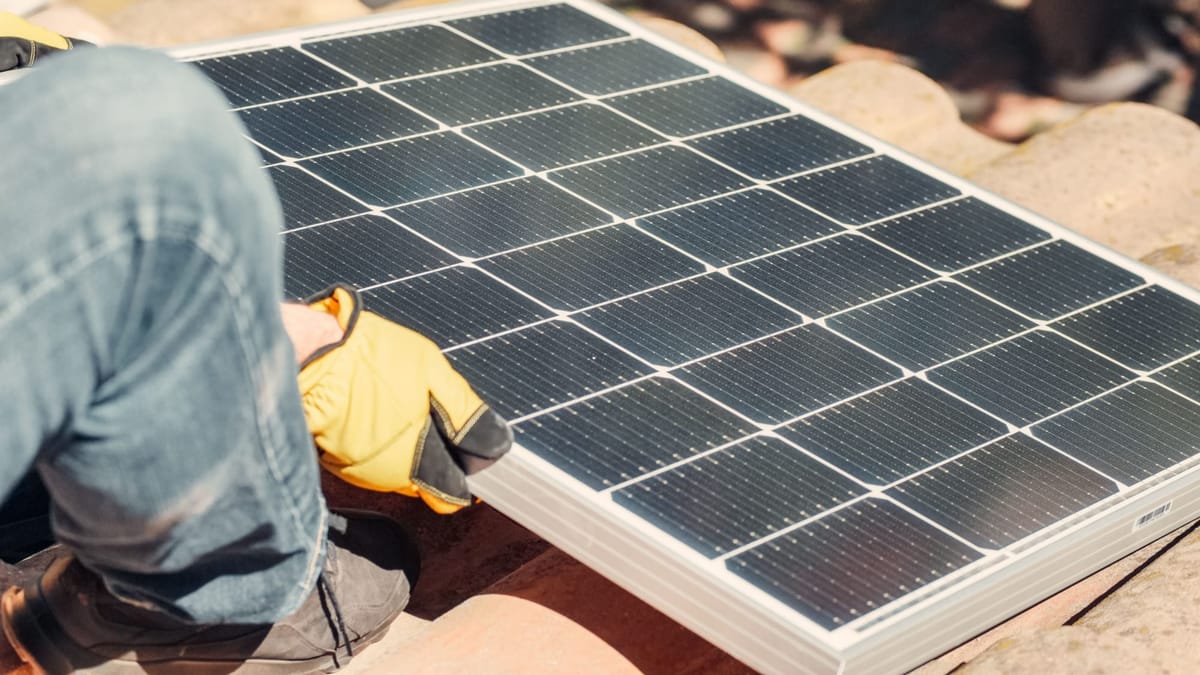
The mechanic now has to understand sensors and electronics while the electrician is called out for inverters and solar panels. The welder still repairs a gate, while also helping to keep farm infrastructure and renewable-energy sites in working order. Skilled trades are becoming part of a new kind of local self-reliance.
 Naomi Roebert
A changing rural economy
Skilled traders are part of the basic machinery of daily life in small towns. The national data supports the broader picture.
South Africa continues to identify trades such as electricians, plumbers, welders, diesel mechanics, millwrights and fitters among occupations linked to scarce skills and high demand. Artisan shortages have also been flagged in research on South Africa’s labour market, with demand coming from mining through to maintenance work.
Solar has changed the call-out
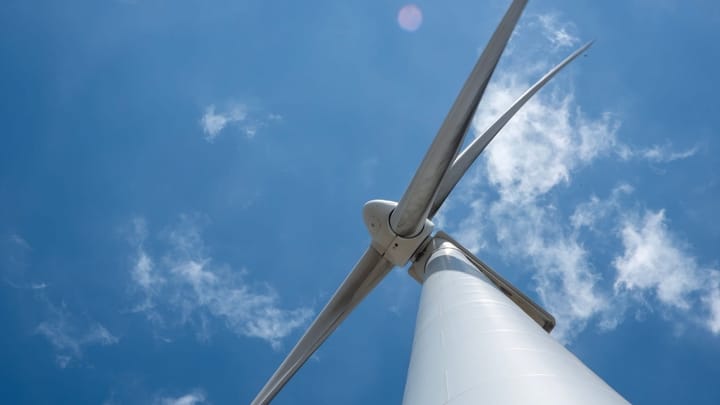
The expansion of renewable-energy projects has made electrical skills more valuable, especially in towns far from large service centres.
South Africa’s energy transition is expected to create work in installation, operations, maintenance and grid-related services, while studies on renewable-energy employment repeatedly point to the need for technical and vocational skills. That does not mean every Karoo town is suddenly booming. It does mean that the demand for competent technical workers is more visible in places touched by solar farms or private installations.
The farmer’s toolkit is changing
Agriculture is another reason these workers are more valuable. Modern Karoo farming still depends on stock sense and veld knowledge, but more and more farmers are also beginning to integrate equipment that would have seemed unusual a generation ago.
Solar pumps, pressure systems, irrigation controllers, security cameras, cold rooms, generators and telemetry have become part of this working world and production can quickly suffer when they fail. This new reality has changed the role of the rural artisan and the best tradespeople are practical problem-solvers rather than simply narrow specialists.
A career path hiding in plain sight
Rural young people are often told that opportunity lies elsewhere, usually in a city, usually through a university route. For some, that will be true. For others, the better opportunity may be closer to home.
A qualified trade can offer something valuable in small towns: independence. A good electrician or diesel mechanic can work across farms, homes, guesthouses, municipal contracts and small businesses.
The work is demanding and not always glamorous, but it is useful in a way that never really goes out of fashion. This is why artisan careers deserve more serious attention as they become part of the country’s infrastructure future.
The people who keep the lights on
The Karoo’s new essential workers are new because the pressures around them have changed. Power is less certain and farms are more technical. Small businesses rely on connectivity and backup power. Tourism depends on comfort as much as charm.
A town can have beautiful buildings and wonderful people, but without the workers who repair and improvise, it slowly becomes harder to live there. The next version of the Karoo's self-reliance may depend on valuing the people who know how things work.
 Lynette Spencer
 Mariana Balt
 Liz Thorne


Comments ()