
The legacy of Cornelius de Waal in Williston’s cemetery
Williston’s tombstone route did not begin as an attraction. It grew out of need, shaped by the work of Cornelius de Waal and the stories carried by Tant Alie.
A modest cemetery in the quiet Northern Cape town of Williston became something more over time, not by design, but through the way people chose to remember their dead.
At the centre of it was Cornelius de Waal, a local artisan whose hand-carved tombstones would come to define one of the Karoo’s more unusual landmarks. Alongside him stood his wife, Tant Alie de Waal, who ensured that the stories behind those stones were not lost to time.
Together, they laid the groundwork for what is now known as the Williston tombstone route, a place where memory, craft and community meet.
From necessity to artistry
In a remote part of the Karoo, where transporting headstones was costly and often impractical, communities had little choice but to look inward. Stone was available. Skill was not, at least not at first.
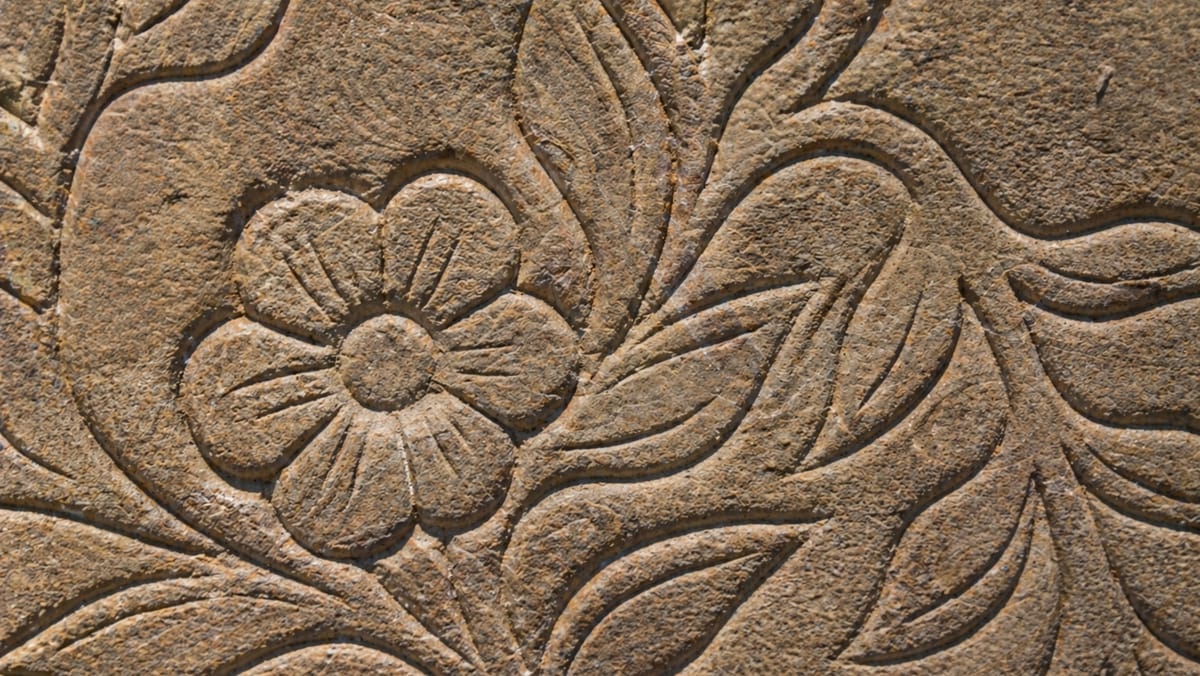
Cornelius de Waal began carving tombstones by hand, working with local materials and teaching himself as he went. Over time, his work developed into something distinct. The stones carried more than names and dates. They held detail, symbols and a sense of care that went beyond function.
His craft was shaped by the realities of the Karoo, where distance, cost and isolation demanded practical solutions, yet still left space for something more permanent than a simple marker.
The role of Tant Alie in building a legacy
While Cornelius worked with stone, Tant Alie worked with people. She understood that each tombstone carried a story. Families, lives and losses sat behind every carving. She shared those stories, spoke about the people they represented and, in doing so, gave the cemetery a voice.
Her role was not formal, yet it proved essential. The cemetery remained part of the community, even as interest from outside began to grow. What might have remained a collection of graves slowly became something people came to see and understand.
A route takes form
The idea of a route did not arrive all at once. It formed gradually as more of Cornelius’s work filled the cemetery and visitors began to notice the detail in each piece. Certain stones stood out. Some for their craftsmanship, others for the lives they represented. Over time, people began to move through the cemetery with intention, stopping, looking closer, asking questions.
What started as a practical space took on a different role. The Karoo’s broader heritage narrative found a place here, not in buildings or monuments, but in the ground itself. Eventually, the route was recognised for what it had become.
Symbolism etched into stone
The tombstones are not uniform. Each one carries its own detail. Cornelius included symbols that reflected the life of the person buried there. Religious references appear alongside tools of trade, flowers, or small elements that speak to identity.
These were not decorative additions, but choices made with purpose. The result is a collection of markers that do more than record a death. They offer a glimpse into a life, shaped by the Karoo and the people who called it home.
A draw for modern travellers
The Williston tombstone route now forms part of a broader interest in places that carry history without spectacle. In a time where destinations often compete for attention, Williston offers something quieter. The route does not try to impress. It simply exists, shaped by necessity, sustained by memory.
The work of Cornelius and Tant Alie remains visible in every stone and every story still told. They did not set out to create a landmark, yet their work continues to draw people in, not for what it is, but for what it represents.
Comments ()