
SAWS urges summer preparedness - even where the rain is still falling
The test will be what happens after those warnings arrive: whether a school changes its afternoon programme and a worker can take a shaded break. This work can begin while the rain is still falling.
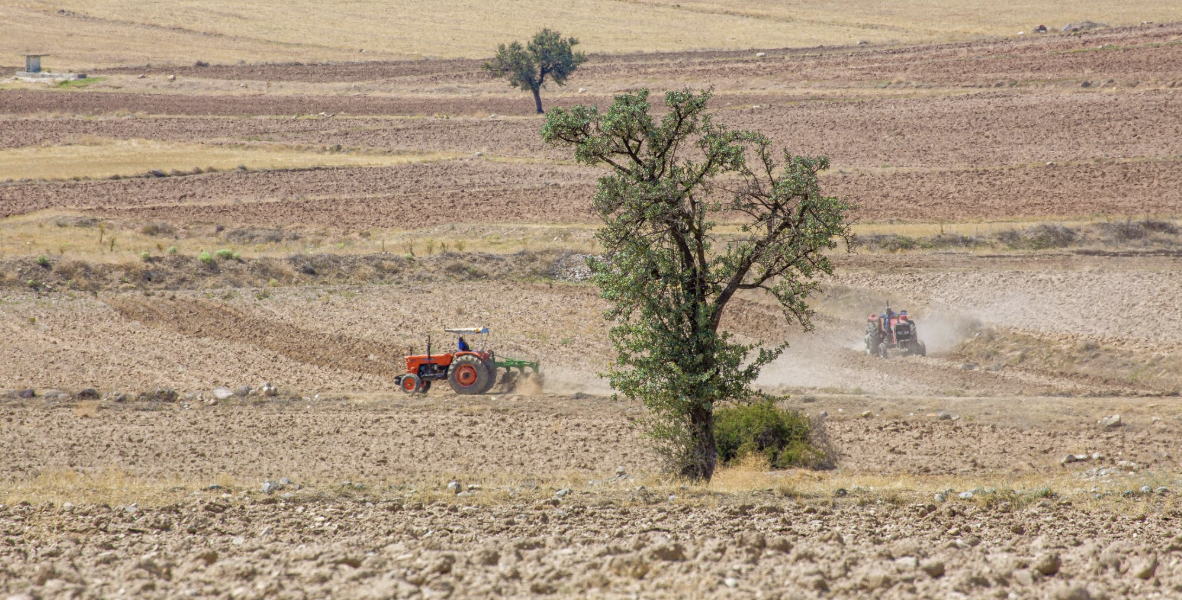
The South African Weather Service has called on government departments, municipalities and affected sectors to turn the summer climate outlook into practical preparations, warning that warmer and drier conditions could place additional pressure on health, water supplies and agriculture.
Presenting at a Department of Health El Niño preparedness webinar on 22 October, SAWS lead scientist Dr Nosipho Zwane emphasised the need for early coordination and clear guidance that reaches vulnerable communities in time to act. The presentation identifies an increased likelihood of warmer and drier conditions across much of South Africa during the 2026/27 summer.
It also makes one important point clear: higher rainfall and severe weather are also possible.
The implications for Karoo communities extend from livestock watering points to school playgrounds. Preparing for the heat includes making advanced decisions about working hours, water availability and the people who will need assistance before temperatures become dangerous.
However, in places where the rain has continued, including parts of the southern Free State, the outlook is difficult to reconcile with conditions outside. Why prepare for a drier summer when the recent experience has been wet?
The answer begins with the period being described.
Why is it raining in some parts of the Karoo?
The Department of Agriculture reported on 2 September that above-normal rainfall during the 2025/26 summer had improved dam levels and soil moisture in most summer-rainfall areas.
While this is an important starting advantage, one which could almost be ascribed to the beneficence of the universe, this is rain received during an earlier season. The current outlook concerns the months ahead. Both statements can be true.
SAWS’s March 2026 Seasonal Climate Watch also recorded that the Pacific was still in a weak La Niña state, with a transition towards neutral conditions and potentially El Niño expected later in the year. The weather experienced earlier in 2026 therefore belongs to a changing climate background and not an unbroken El Niño period. This explains why recent rainfall and the coming summer’s risks should be accounted for separately.
A three-month period can enjoy a very wet week and still finish below its usual rainfall total. A different part of the same region can receive enough rain from a few downpours to exceed its average even while the wider region is dry. The timing and distribution are as important as the headline description.
El Niño develops through changes in tropical Pacific sea temperatures and atmospheric circulation. Those changes influence weather far beyond the Pacific, including the likelihood of rain over southern Africa. They don't impact the other systems that bring moisture into the country.
SAWS’s climate guidance points to 1997/98 as an historical example. Despite a powerful El Niño, some South African regions received abundant rain as moist air arrived from the Indian Ocean. The service cautions against treating the relationship as an inflexible rule.
This warning is relevant to a region as extensive as the Karoo. A broad national outlook doesn't point to every farm or town equally well.
In an update published on 26 October, SAWS described a surface trough over the western interior and disturbances higher in the atmosphere, with showers and thunderstorms possible over central and eastern parts of the country. These systems can produce rain in a season whose overall outlook favours drier conditions.
While green veld or a full farm dam is meaningful local evidence of good rainfall, it cannot by itself establish how rainfall compares with the long-term average across the district.
Nor does recent rain negate the need to prepare for heat.
How should we prepare?
The World Health Organization notes that outdoor and manual workers are especially exposed to heat stress. Older people and those with certain chronic conditions are also vulnerable, while poor housing and poor access to cooling can increase the risk of exposure to extreme heat, which can impair both work and learning and disrupt essential services.
South Africa already has guidance for some of these circumstances. The Department of Health’s National Heat Health Action Guidelines recommend shade, readily accessible drinking water and breaks in cool or shaded areas for outdoor workers. They also call for clear guidance on when school sport and other outdoor activities should be postponed or cancelled, with supervisors trained to recognise early signs of heat illness.
Putting that guidance into practice on a farm could mean deciding beforehand which strenuous tasks can move to cooler hours, where drinking water will be available and who will respond if someone becomes unwell. Those are arrangements an employer or supervisor must make. Receiving a warning doesn't give a worker control over the working day.
For a school, preparedness could include checking water storage and finding the coolest usable spaces. For households with older residents, WHO recommends regular contact with people at greater risk, particularly those living alone. A neighbour’s check-in can provide help that a weather notification cannot.
The same reasoning applies to municipal planning. In areas with unreliable water, a heat plan must be implemented.
Hoping for the best, preparing for the worst
Recent rain is a grateful opportunity to prepare with more water in reserve and less immediate pressure. Agriculture’s September advisory encourages farmers to conserve soil moisture while using water efficiently and aligning livestock numbers with available grazing. A good starting position is something to manage carefully through an uncertain season.
Karoo preparedness must allow for more than one outcome: heat and dry spells, but also thunderstorms and local flooding.
The test will be what happens after those warnings have been sent: whether a school changes its afternoon programme and a worker can take a shaded break. This work can begin while the rain is still falling.
🎶 𝖣𝖾𝗄𝖺𝖽𝖾𝗌 𝗌𝖾 𝗈𝗈𝗋𝗌𝗉𝗋𝗈𝗇𝗄𝗅𝗂𝗄𝖾 𝖠𝖿𝗋𝗂𝗄𝖺𝖺𝗇𝗌𝖾 𝖽𝗂𝗀𝗄𝗎𝗇𝗌 𝗄𝗋𝗒 𝗇𝗎𝗐𝖾 𝗅𝖾𝗐𝖾 𝖽𝖾𝗎𝗋 𝗆𝗎𝗌𝗂𝖾𝗄. 𝖶𝖾𝗅𝗄𝗈𝗆 𝗂𝗇 𝗆𝗒 𝖪𝗅𝖾𝗂𝗇 𝖪𝖺𝗋𝗈𝗈 - 𝖡𝗈𝗅𝖺𝗇𝖽𝗌𝖾 𝖻𝗂𝗇𝗇𝖾𝗄𝖺𝗆𝖾𝗋.

Comments ()