
Is De Aar's second act as South Africa's new energy service town?
De Aar once earned its place on the map by servicing the infrastructure that connected South Africa. The town might once again be finding its greatest strength by supporting the function of a much larger network.
De Aar was one of South Africa's most important railway towns for more than a century. As the railway declined, so too did much of the economic activity that had sustained the town for generations.
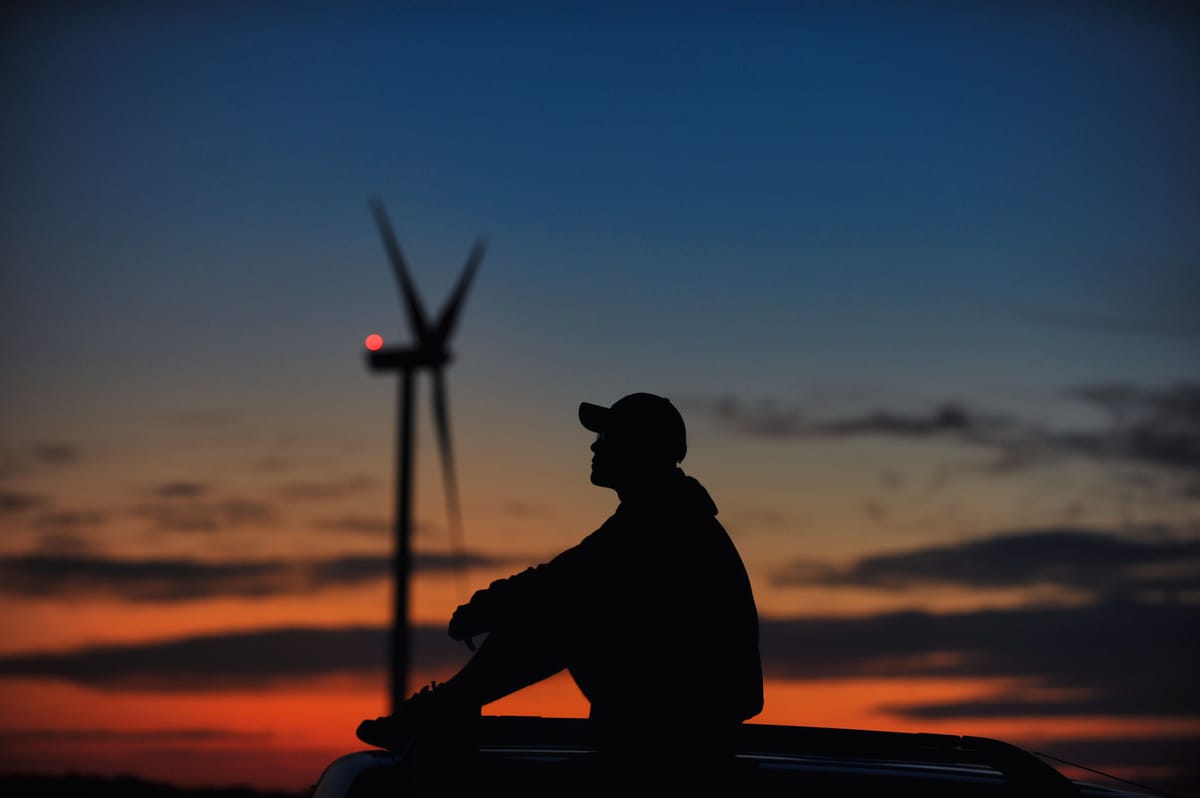
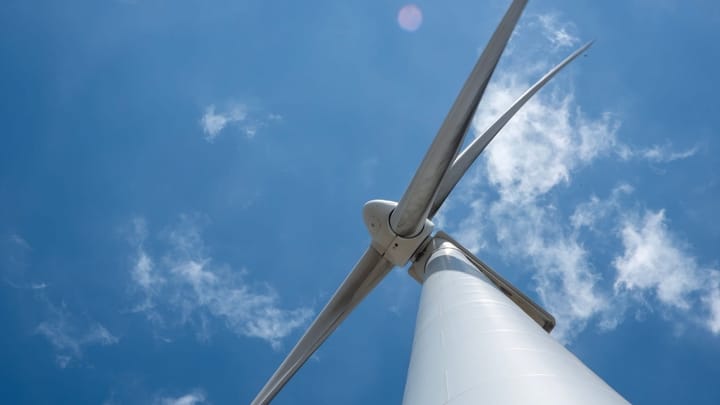
Now another network is expanding across the Karoo. This time it is built on wind farms and electricity transmission infrastructure. The question is whether De Aar is once again becoming the place that keeps a national industry moving.
A town built on servicing others
De Aar's historical importance was in supporting a much larger system. The railway created an entire service economy that reached well beyond the station itself through workshops and accommodation.
This economic model may now be re-emerging in a different form. The renewable energy projects surrounding De Aar depend on a number of additional industries. These include accommodation providers, engineering contractors, vehicle maintenance businesses, warehousing, equipment suppliers, safety companies, electricians, restaurants, fuel stations and professional services. Economists refer to this as a service economy. The businesses that support a major industry become just as important as the industry itself.
The real question is not jobs
Whenever a major renewable energy project is announced, attention usually focuses on how many jobs will be created. The more noteworthy measure is whether companies are establishing permanent offices in De Aar rather than operating remotely.
Are technicians choosing to live in the town instead of flying in for short rotations? Are local hardware stores supplying specialised industrial equipment? Have guesthouses found that engineers now make up a growing share of their regular clientele? Are mechanics adapting their businesses to maintain renewable energy vehicle fleets? Most importantly, are skilled young people finding reasons to build careers without leaving the region?
The answers to those questions reveal whether a town is experiencing lasting economic change.
History repeating itself
In the nineteenth and twentieth centuries, De Aar serviced one of South Africa's most important transport networks. Now it might start to service one of the country's fastest-growing infrastructure sectors. The technology has changed dramatically but the town's economic role is familiar, and De Aar is positioned to support the specialised services that keep renewable energy projects operating across the central Karoo.
Beyond the construction phase
Every wind farm requires decades of ongoing operation and maintenance. These are long-term activities that require skilled technicians and reliable local support services. Recent employment advertisements provide some indication that this process may already be taking shape.
Vacancies for project quality managers, health and safety managers, construction managers and renewable energy specialists have been advertised for positions based in or around De Aar, suggesting that at least some operational and project support functions are being located within the region rather than managed exclusively from larger cities.
An opportunity worth watching
It's still too early to conclude exactly how much renewable energy will rebuild De Aar's economy. Much depends on future investment and whether companies continue establishing a long-term presence in the town. De Aar once earned its place on the map by servicing the infrastructure that connected South Africa. The town might once again be finding its greatest strength by supporting the function of a much larger network.
If that pattern continues, De Aar's next chapter could look surprisingly similar to its first.
 Mariana Balt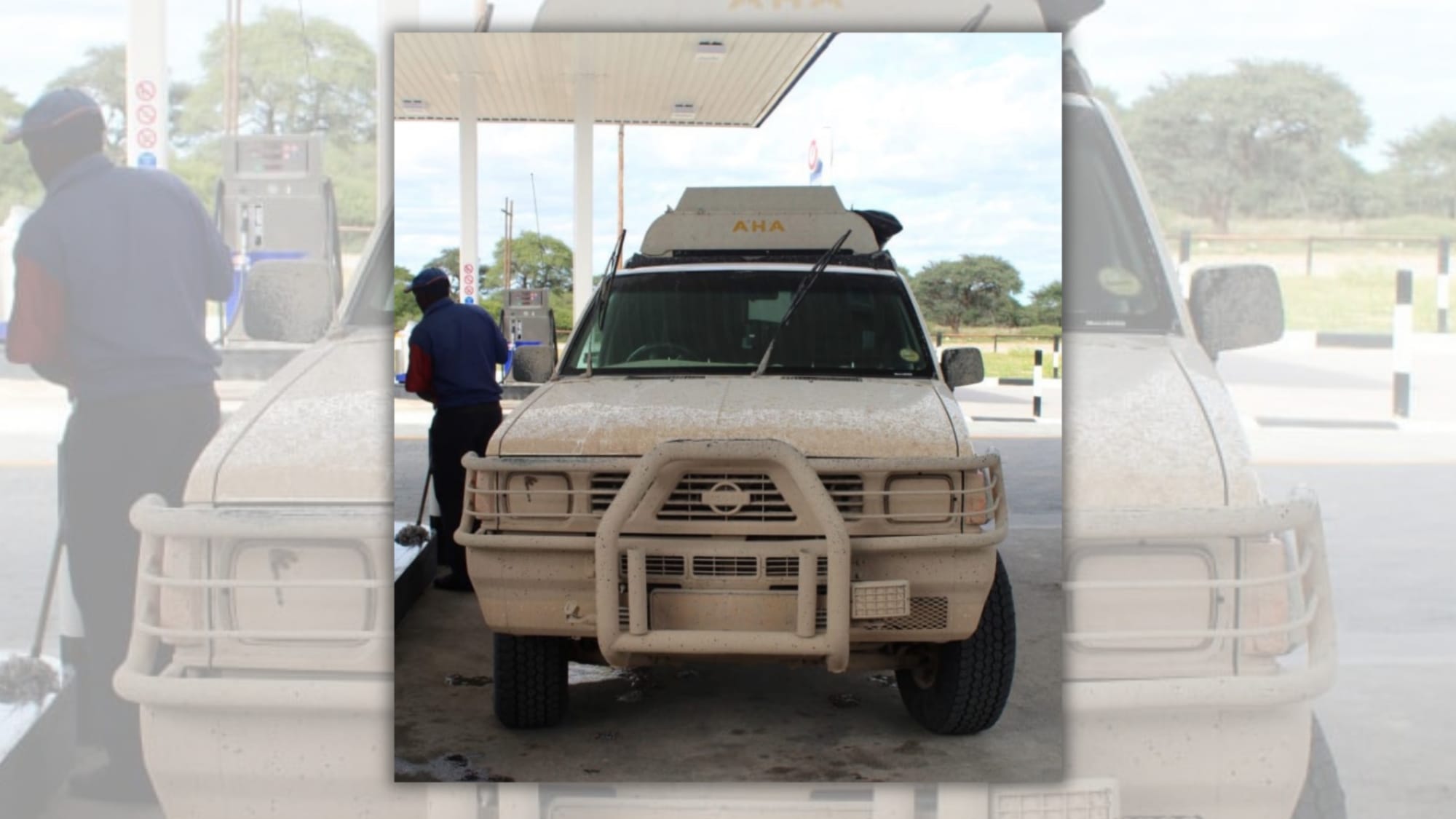
 Liz Thorne
 Lynette Spencer
 Anchen Coetzee


Comments ()