
How Karoo farmers are turning small plots into big returns
Honey, herbs and other specialised products offer smaller quantities with higher margins for a growing market that values quality and origin alongside sustainability.
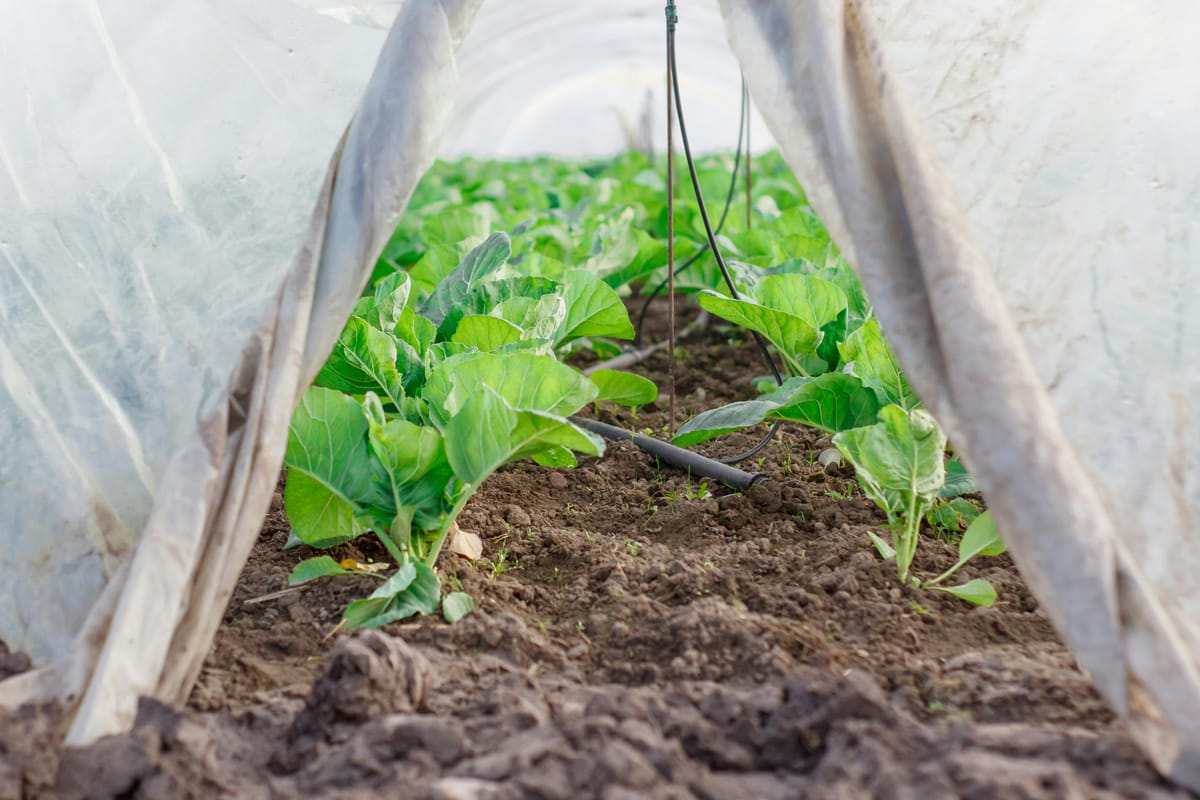
Farmers are beginning to look beyond traditional livestock and large-scale crops, turning instead to smaller, high-value ventures that make better use of limited water and land. This move towards niche farming is opening new economic doors in an environmentally constrained region.
The logic is simple but powerful. When scale is limited by climate and geography, value must do the heavy lifting. To this end, farmers are refining their output without expanding hectares.
Honey, herbs and other specialised products offer smaller quantities with higher margins for a growing market that values quality and origin alongside sustainability.
Honey production in dry regions
Beekeeping has found a natural home in parts of the Karoo, where hardy indigenous flora provides a surprising source of nectar. Species such as spekboom and various flowering shrubs support bee populations throughout the year.
Honey production needs relatively low upfront investment compared to large-scale agriculture. Hives can be introduced gradually, while maintenance demands are manageable alongside other farming activities. Along with the honey itself, products such as beeswax and propolis create additional income streams.
There is also an ecological benefit. Bees support pollination, strengthening plant health while contributing to broader biodiversity. This dual role of income generation and ecosystem support makes beekeeping particularly appealing in a region where environmental balance is fragile.
As consumer interest grows in traceable, natural products, Karoo honey has a distinct advantage. Its origin story of indigenous plants and harsh conditions adds authenticity. That story sells, not only in local markets but also in urban centres where buyers want something real.
Herbs that thrive where others fail
While honey works with the natural environment, herbs offer another avenue for innovation. Many culinary and medicinal herbs are well suited to dry climates, making them ideal for Karoo conditions. Varieties such as rosemary, thyme and lavender need minimal water once established, while also offering strong market demand.
Small-scale herb farming allows for careful cultivation, where quality takes precedence over quantity. Farmers can focus on hand-harvesting and drying methods that preserve flavour and potency. These details are valuable in premium markets where buyers are willing to pay more for superior products.
Fresh bundles serve local markets and restaurants, while dried herbs, oils and infused products expand the reach of one input, allowing farmers to adapt to demand fluctuations without losing value.
Smaller plots can generate meaningful returns with herb farning, making it an attractive option for new entrants or those looking to diversify without committing to large-scale infrastructure.
High value thinking on small plots
The broader principle is the move towards high value crops that maximise output per square metre. This mindset challenges long-standing assumptions about what farming in the Karoo should look like.
Instead of measuring success by volume alone, farmers are asking different questions. What can this land produce that others cannot. How can scarcity become a strength. These questions lead to experimentation, whether through artisanal food products or even niche livestock like free-range poultry with a premium positioning.
The local, rural impact
Niche farming creates opportunities for families to stay on the land, while also opening pathways for younger generations who may not see a future in traditional farming alone. Producing something distinctive provides a sense of agency. Farmers are deriving possibility from challenging conditions. This mindset shift can encourage more experimentation and diversification.
There are challenges, of course. Transport logistics and consistent quality control take careful planning. Training and knowledge-sharing are essential, particularly for those entering new fields. But these are not insurmountable obstacles, especially as networks of support begin to form.
Instead of stretching limited resources across large operations, some Karoo farmers are concentrating their effort into refined, high-value outputs that redefine what success looks like in this vast, often misunderstood region.

Comments ()