
How floodwater transforms a “dead” Karoo landscape overnight
This surprising weather impact is part of what gives the Karoo its strange emotional power as a place of ancient sleep.
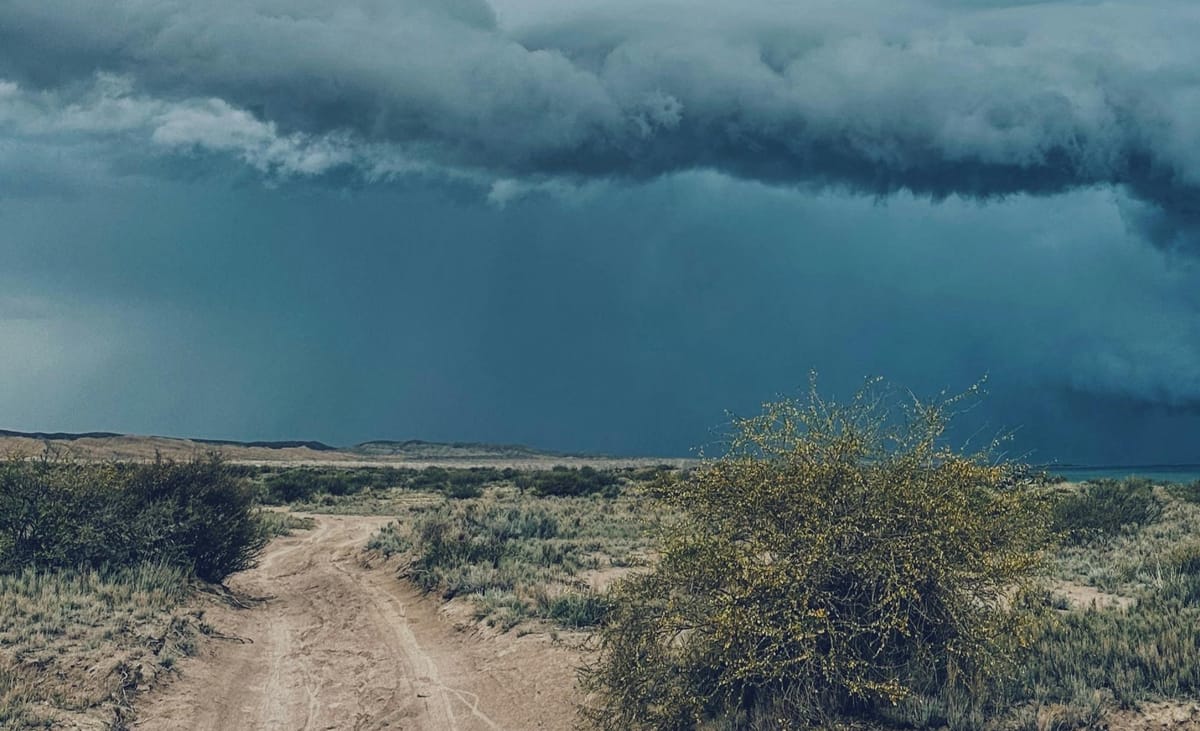
The Karoo appears motionless for much of the year, hills in muted browns and greys beneath a hard impermanent sky. To outsiders, particularly those driving through quickly, it seems exhausted and empty.
Rain sometimes comes as scattered showers that darken the earth for a few hours. At other times the rain arrives violently, filling rivers that were dry days earlier and cutting roads off from isolated farms and towns. While floods bring destruction, they also coax one of the most remarkable transformations in the South African landscape.
When water rewrites the land
One of the strangest things about the Karoo after heavy rain is how quickly life returns. Dormant grasses begin pushing through gravel plains while hardy succulents swell with stored water.
Seasonal rivers that spend months as dusty scars begin flowing again, sometimes with astonishing force. Small streams appear where there were none before. Farm dams refill. Low-lying plains shimmer beneath temporary wetlands that attract birds immediately.
Beetles crawl across wet roads while termites burst from underground colonies. Frogs begin calling from puddles and drainage channels late into the night, creating a chorus many residents have not heard for months. Along with them come birds, drawn by standing water and fresh plant growth.
Livestock that were surviving on dry grazing suddenly find fresh shoots emerging across camps. Sheep spread out over veld that only recently looked depleted while game animals move more freely across areas replenished by water.
Floodwater brings destruction as well as renewal
The same floodwater that revives the veld can also tear through infrastructure that has struggled through years of drought and neglect.
Roads wash away quickly in remote areas where drainage systems are limited. Gravel passes become dangerous or completely inaccessible. Bridges are damaged while low-water crossings disappear beneath fast-moving water. In some recent storms across parts of the Western Cape and Klein Karoo, entire communities were temporarily cut off.
Farmers often face a complicated reality after major rain events. Full dams and healthy grazing are welcomed, while fences may be destroyed and erosion cuts through valuable land. Flash floods can also kill livestock caught in low-lying areas.
Small towns feel these pressures sharply. Municipal systems in rural regions are often fragile even in dry conditions. Heavy rainfall can overwhelm stormwater networks and disrupt electricity supply or damage poorly patched roads. Cleanup operations after major storms can stretch on for weeks.
The illusion of emptiness
Much of the region’s ecology is built around extremes. Plants survive long dry periods by storing water deep underground or within thick leaves. Seeds can remain dormant for years, waiting for the right rainfall conditions before germinating almost simultaneously.
Certain flowers only appear after substantial rain events, briefly transforming entire stretches of veld before vanishing again. The same applies to the wildlife. Many species stay hidden during dry periods, conserving energy and avoiding heat. After rain, the environment becomes active again with breeding and migration.
This surprising weather impact is part of what gives the Karoo its strange emotional power as a place of ancient sleep.
Comments ()