
De Rust plants its comeback with support from Leon Kluge
De Rust still needs its road and it will take time to erase the losses caused by months of isolation. But the malvas represent a new reason to come to De Rust long after the road is open.
De Rust is typically considered to be at a geographical advantage. The small Klein Karoo town is situated at the southern entrance to Meiringspoort, where the N12 carries travellers between the interior and Route 62.
De Rust's advantage became a liability overnight when the poort closed after the floods of May and June. Parts of the road surface were washed away and bridges were damaged, while enormous quantities of debris and sand were deposited throughout the pass. Later assessments found that three sections of road had disappeared completely. In the worst places, the road was destroyed to a depth of roughly 1.7 metres over stretches of between 20 and 25 metres.
The initial damage was compared with that caused by the great Meiringspoort flood of 1996. By June, the preliminary cost of repairing the pass had risen to more than R421 million, with the work expected to take approximately 26 months. Because Meiringspoort is a protected heritage road, the route can't be rebuilt along a more convenient new alignment. The historic character must be preserved while environmental requirements protect the river system.
A town without traffic
The Meiringspoort road is an economic corridor linking the Great and Klein Karoo. With the pass closed, many motorists are using the lengthy detour through Willowmore and Aberdeen. Visitors who would ordinarily have stopped in De Rust for petrol, coffee, lunch or a browse through its shops can no longer come through this historic village.
Agricultural representatives have reported higher transport costs while tourism businesses in De Rust and Oudtshoorn have seen visitor numbers decline. The effects have spread beyond the two towns. Guesthouses in Prince Albert experienced cancellations while small businesses faced more expensive deliveries, and residents needing medical care in Oudtshoorn or George were confronted by much longer journeys.
As of September 10, the road is an active construction site and may not be entered. Access is restricted to people living within the affected area. Work is underway on a temporary solution, with the hope of opening a controlled single lane by December, but permanent repairs could continue for another two years.
For a town heavily dependent on spontaneous roadside trade, waiting for the road's return was not much of a plan - so De Rust decided to plant malvas.

Five malvas at every gate
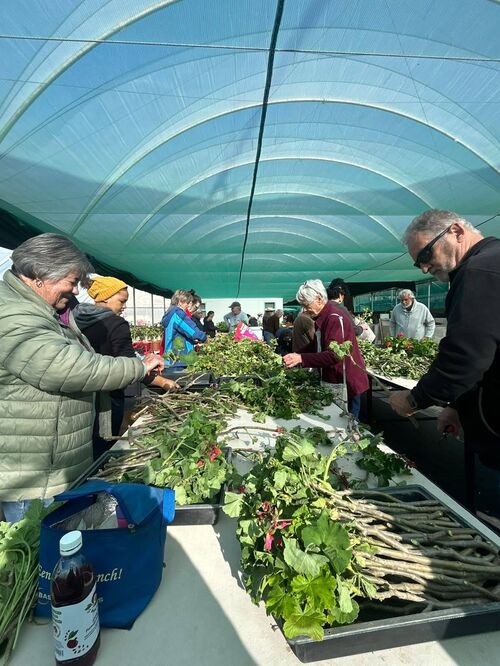
The original idea behind the Mal’va De Rust project was wonderfully simple: every household would plant five malvas outside their gate. From there, it grew. The community at large began working towards a much more ambitious goal - establishing De Rust as South Africa’s malva capital and, in the process, turning the village into a floral destination people would choose to visit.
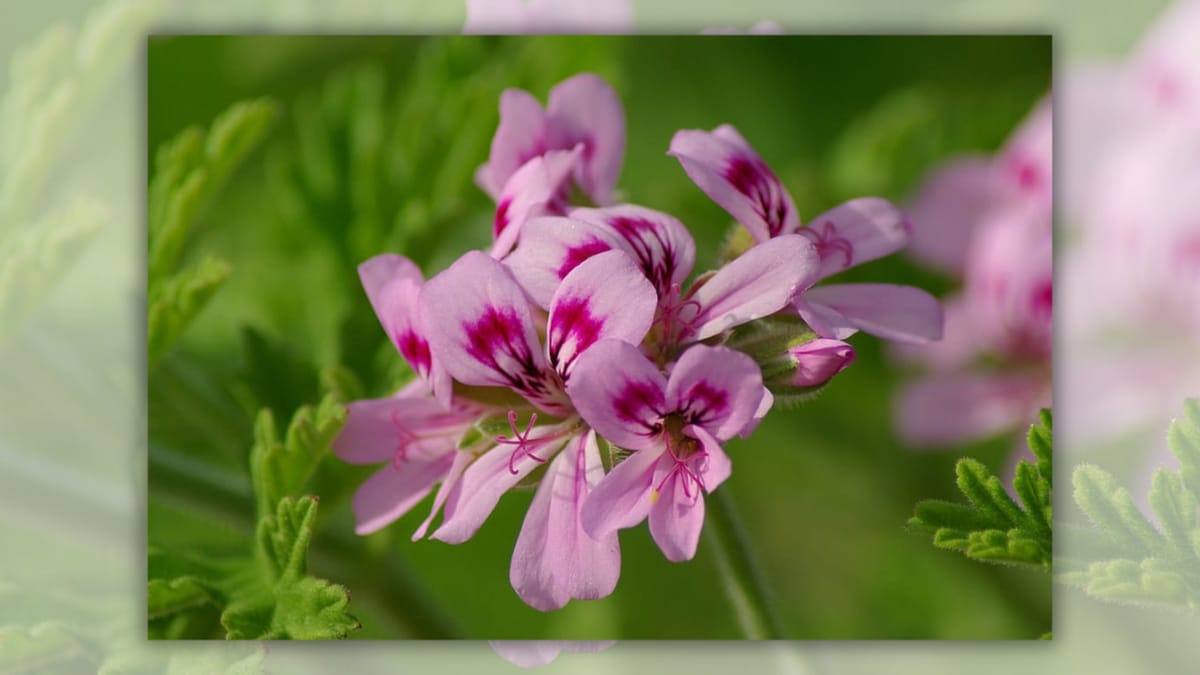
The plant at the centre of the project is the indigenous Pelargonium, commonly known in South Africa as a malva. This hardy and colourful plant is immediately at home in the Klein Karoo. The organisers have taken one of the region’s own plants and begun imagining an entire visitor experience around it.
The Mal’va De Rust fundraising campaign outlines plans to decorate the town with malvas, establish walking routes, create a scented garden and develop an annual festival. Donations will be used primarily to obtain cuttings and establish new attractions in the village. What began with five plants outside each home has already moved far beyond a few flowerpots. According to Wesgro’s official project page, approximately 6,000 plants have been established, with another 14,000 cuttings in preparation.

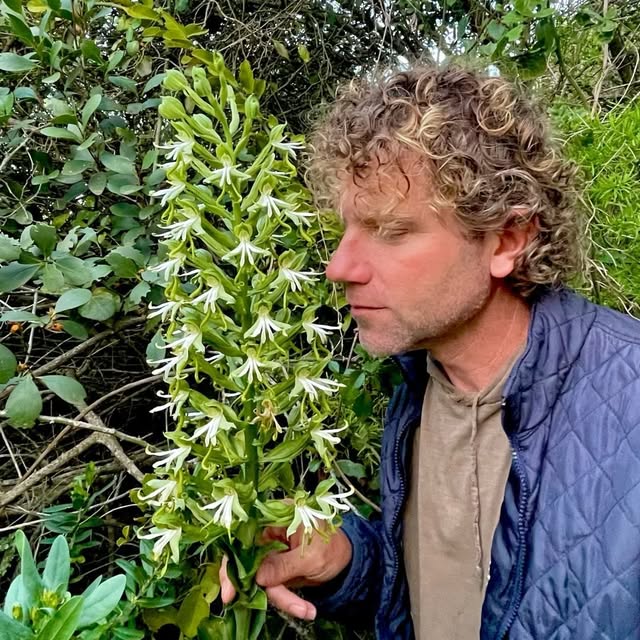
Internationally acclaimed South African landscape designer Leon Kluge has also visited the town to help with the broader landscape planning.
The project is intended to develop over three years, while plans have been floated for a national malva show in De Rust in 2027. The ambition is to give De Rust a recognisable identity that can support local enterprise long after Meiringspoort has reopened.
A gardening project with a vision
A visitor who comes to walk through the gardens might also eat at a restaurant and visit an artist’s studio or buy something made in the village. Local producers are being encouraged to develop malva-inspired skincare, crafts, artworks and other products. Plant propagation and the maintenance of public spaces could create work. Walking routes and garden attractions could give visitors reasons to spend several hours in De Rust instead of treating it as a brief stop between the poort and Oudtshoorn.
The project posits a larger question about the future of De Rust: can a town accustomed to passing traffic become a destination?
There is reason to believe it can. De Rust has reinvented its public identity before. In 2011 it won the Kwêla and Rapport Dorp van die Jaar competition. The town's setting and village character earned it attention far beyond the Klein Karoo.
Fifteen years later, Mal’va De Rust hopes to brings its community around something local and memorable at a moment when the town needs to be seen again.
A festival for the beginning, not the end
The project will be formally celebrated over Heritage Weekend from 24 to 27 September 2026. The Mal’va De Rust Project and Festival will bring together the project launch, Open Studios De Rust and the South African Motorcycle Film Festival.
The Heritage Weekend will be the project's public beginning. Thousands more cuttings must still be planted and cared for. Gardens and walking routes must be developed. Products need to be made and the early enthusiasm carried into the years ahead.
 PJCwebmaster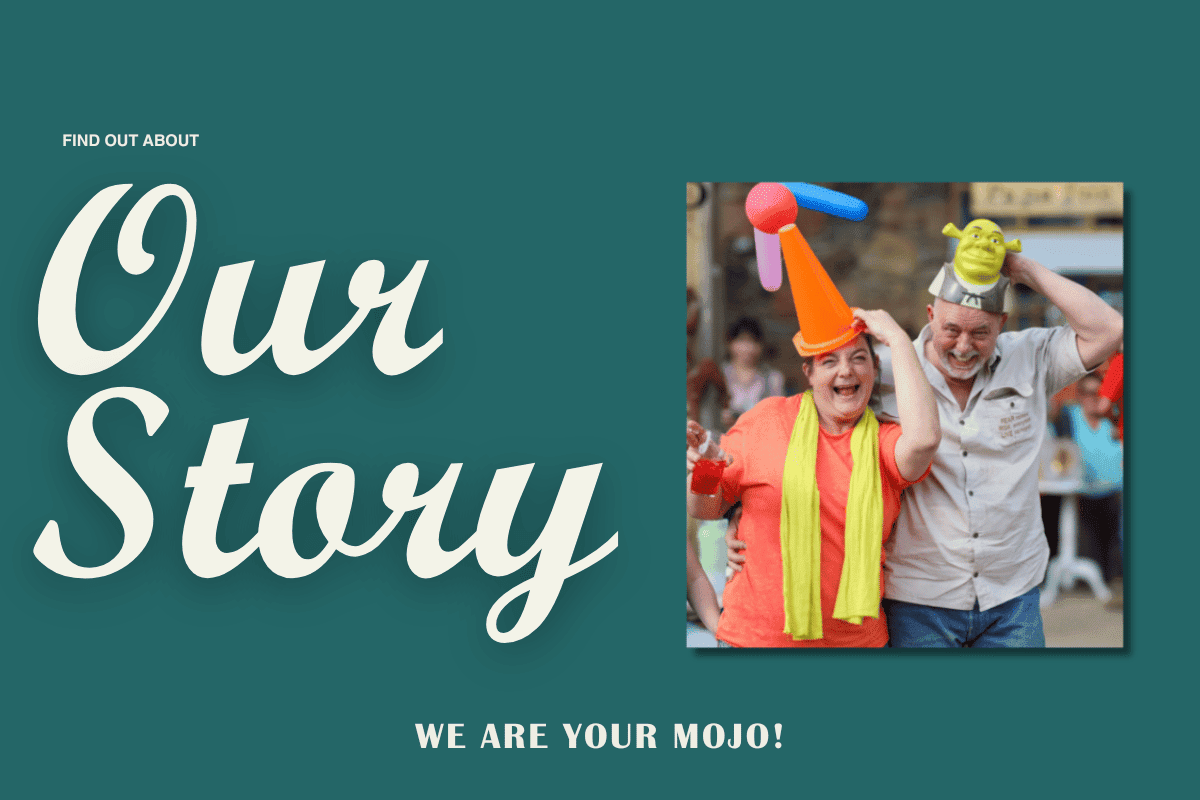
Support has also begun travelling between towns. The original letter drawing Karoo Times’ attention to the project came from Mo du Buy of Papa Joe’s Collectibles in Barrydale. After asking Piet of Mengelmoeskardoes in De Rust what could be done to help the village, Mo received a succinct answer: “Malvas.”

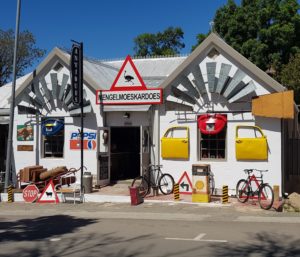
Papa Joe’s, a Route 62 business specialising in vintage artefacts and restored mechanical pieces, is now using its own platform to draw attention to De Rust and encourage people to attend the festival. Their involvement reminds us that the fortunes of small Karoo towns are rarely theirs alone. Businesses along these routes depend on each another to keep visitors stopping and exploring.
De Rust still needs its road and it will take time to erase the losses caused by months of isolation. But the malvas represent a new reason to come to De Rust long after the road is open.
 Liz Thorne
 Mariana Balt
 Lynette Spencer
 Anchen Coetzee


Comments ()