
Could indigenous plants create new income for Karoo farms?
There may be opportunities in medicinal plants, essential oils, indigenous seed and waterwise nursery stock. The most promising businesses will be those that grow plants responsibly while protecting the wild populations already under pressure.
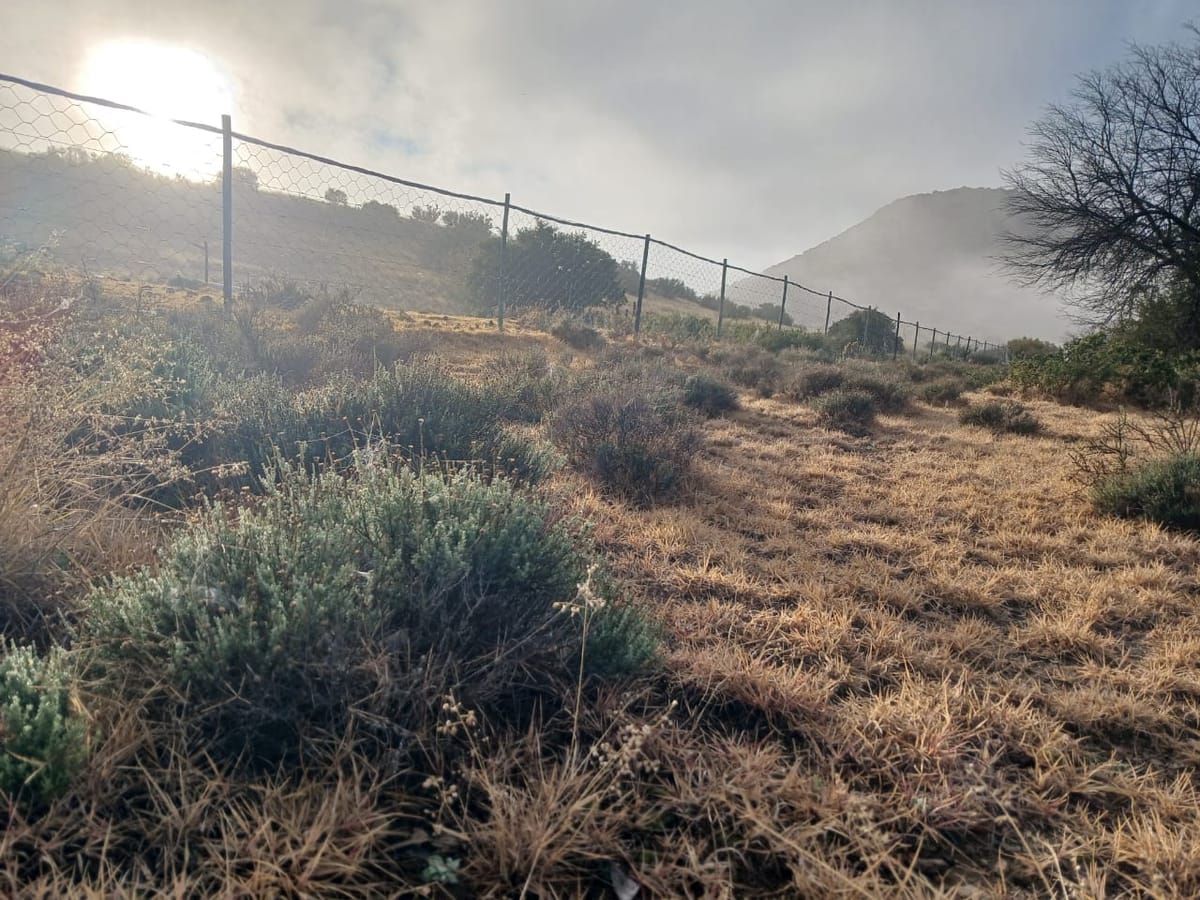
Karoo farmers have always understood the value of the veld for feeding livestock and supporting the wildlife that gives the region much of its character. Could some of its plants also create new sources of income?
There may be opportunities in medicinal plants, essential oils, indigenous seed and waterwise nursery stock. The answer is not to head into the veld and start collecting. The most promising businesses will be those that grow plants responsibly while protecting the wild populations already under pressure.
The Karoo has something unusual to offer
The Karoo stretches across several natural regions, including the Nama Karoo and Succulent Karoo. Parts of the Klein Karoo also contain fynbos and Albany thicket.
These areas support plants that have adapted to temperature extremes and difficult soils. Many occur nowhere else in the world. That makes them valuable, but it also makes them vulnerable. Some plants grow slowly and may take years to recover after being cut or stripped of seed. A species that looks common on one farm could be rare across its wider range.
Any indigenous plant farming venture therefore needs to begin with proper identification and an understanding of what can legally and sustainably be used.
Medicinal plants could be grown rather than gathered
Southern Africa has a long history of using indigenous plants in traditional medicine. Some of these plants are used in herbal teas and skincare products. Wild rosemary, commonly called kapokbos, is one example familiar to many Karoo residents. The South African National Biodiversity Institute describes it as an aromatic, waterwise shrub that is also popular in indigenous gardens.
That does not mean farmers can simply package it as medicine. Traditional use is not the same as scientific proof, while businesses making health claims must comply with product regulations.
A more practical opportunity may be to cultivate suitable plants for established buyers. Growing them in managed plots would create a more dependable supply while reducing pressure on the veld. This would also allow farmers to keep records of where the plants came from and how they were produced.
Essential oils require more than fragrant plants
Aromatic plants may also have value in the essential-oil market. South Africa already cultivates plants such as buchu, fever tea, wormwood and rose geranium for this purpose. Not every species will thrive in every part of the Karoo.
A plant may cope well with drought but struggle with frost or a particular soil type. Farmers would need to test small areas before investing heavily. Producing oil also involves more than harvesting leaves. Plant material generally needs to be distilled, while the finished oil must meet the buyer’s standards for purity, scent and chemical make-up.
The equipment can be expensive for one small producer. A group of farmers could potentially share a distillation unit or work with an existing processor. This could make Karoo essential oils more practical as a cooperative project than as a stand-alone farm enterprise.
A buyer should ideally be found before large areas are planted. A beautiful crop has little business value if nobody is ready to purchase it.
Indigenous seed could supply restoration projects
Seed offers another route into this market. Renewable-energy developments and conservation programmes often need indigenous plants to restore disturbed land.
Generic seed is not always suitable. Plants collected from the same region are more likely to be adapted to its soil and temperature conditions. Karoo farmers could help supply this local seed, but large-scale collecting from natural veld would carry risks. Removing too much seed reduces the ability of wild plants to reproduce and can affect the fauna that depend on them.
A better approach would be to collect a limited amount legally, then establish dedicated seed-production plots. These could produce larger quantities without repeatedly taking from natural populations.
Buyers would need accurate information about the species and collection area. This creates an opportunity for partnerships between farmers, botanists, conservation authorities and environmental rehabilitation companies.
A nursery may be the simplest starting point
For some farms, an indigenous plant nursery is more realistic than producing oils or medicinal ingredients. Waterwise plants are increasingly useful in gardens and landscaping projects. A nursery could grow local shrubs and succulents suited to the Karoo climate.
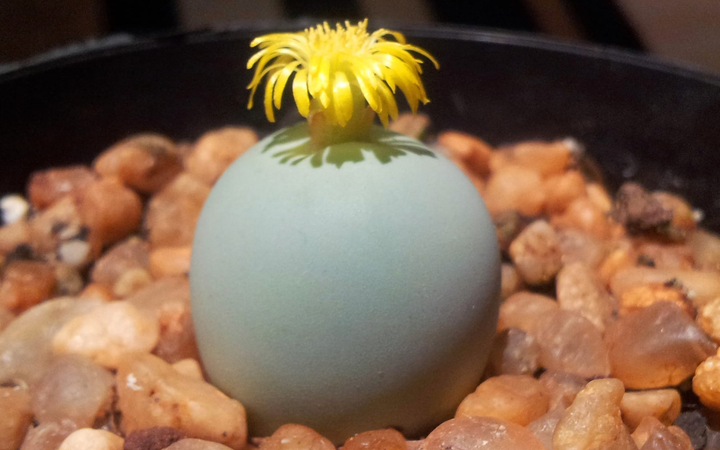
Farmers would still need to know which plants grow well from seed, which need cuttings and how long they take to reach a saleable size. Some species also require permits. Traceability is important. South Africa’s rare succulents have been targeted by illegal collectors, especially in parts of the Northern and Western Cape.
A responsible nursery must be able to show that its plants were legally propagated rather than removed from the wild. Selling common, hardy species is a safer place to begin than trying to trade in rare or highly sought-after plants.
A business that leaves the veld stronger
Indigenous plants will not offer quick money. Propagation can be slow and markets need to be secured before production expands, while permits take time.
There is still real potential. Nurseries and cultivated aromatic plants could give some Karoo farms an extra income stream while creating local work and supporting conservation.
The strongest model is the one that uses the farmer’s knowledge of the land to protect and responsibly market plants that already belong there.
 Liz Thorne
 Charlotte Hayes
Comments ()