
Why good grazing does not always mean an easy year for Karoo farmers
These gains strengthen Karoo livestock farming, but they come after a prolonged period in which many producers sold animals or spent heavily to keep core herds alive.
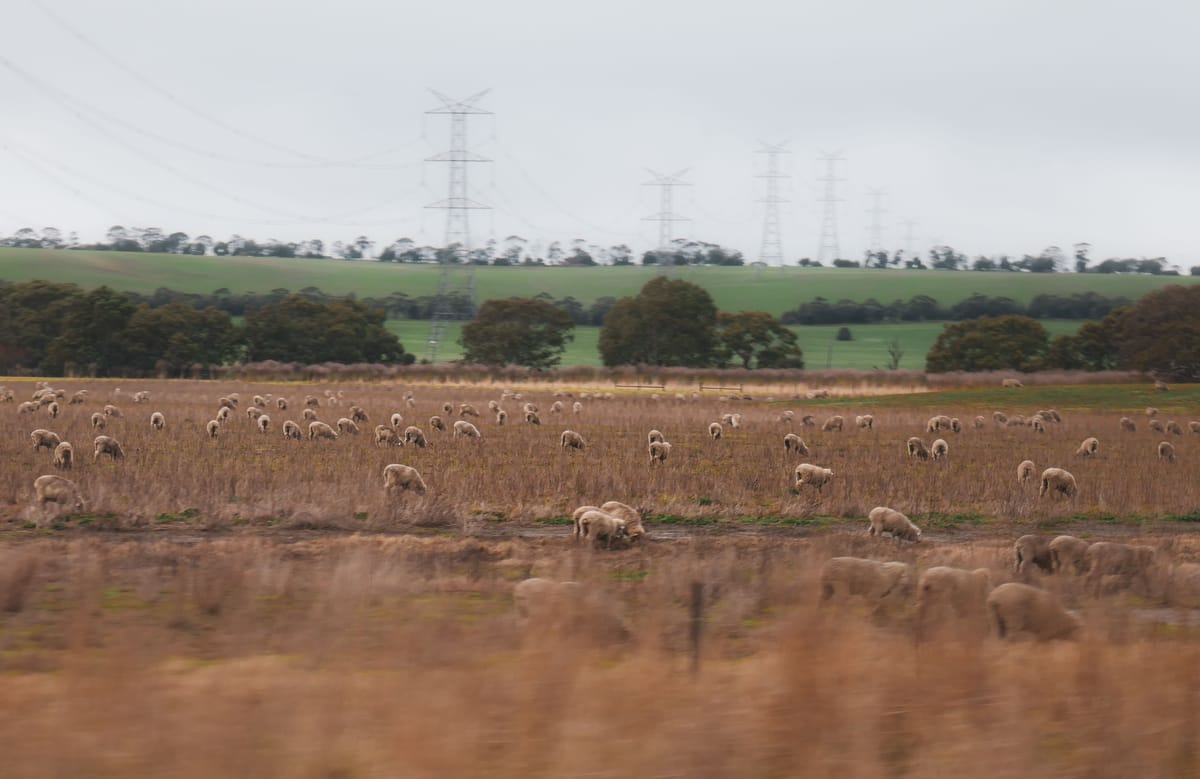
After years of dry veld and costly feeding, widespread rain has transformed grazing conditions across parts of the Karoo. Green veld has returned and lambs have access to stronger natural nutrition.
The improvement is significant. It does not, however, mean that farmers have entered an easy or immediately profitable year. Rain can restore vegetation within months, while rebuilding a farm’s productive capacity can take several seasons.
The rain arrived at the right time
Agricultural economist Wandile Sihlobo reported in June 2026 that regular rainfall of between 10mm and 25mm a week had fallen across parts of the Karoo during March, April, May and June. This pattern was vital because steady rain can sustain plant growth more effectively than one heavy summer downpour.
Farmers have reported healthier ewes with faster-growing lambs and encouraging lambing results. Better veld also reduces dependence on bought-in feed, which allows livestock to regain condition through natural grazing. These gains strengthen Karoo livestock farming, but they come after a prolonged period in which many producers sold animals or spent heavily to keep core herds alive.
Strong prices do not guarantee strong profits
Sheep-meat prices were relatively firm by mid-2026. Absa AgriTrends reported that Class A2 and A3 lamb carcasses averaged R109.87 per kilogram in mid-July, up from R108.59 per kilogram in June. The report attributed the elevated market partly to a limited supply of slaughter-ready animals as farmers retained breeding stock.
Standard Bank recorded a similar picture earlier in July. Its livestock report placed average A2 and A3 lamb prices at R112.53 per kilogram, while average mutton and lamb prices were 4.5% higher than a year earlier.
These figures appear encouraging, particularly when lambs are reaching market weight more efficiently. The price quoted nationally is not necessarily the amount a farmer ultimately receives, however. Classification, animal weight, transport costs, commission and regional demand all influence the final return.
Firm prices may also reflect a shortage created by drought and herd contraction. Farmers rebuilding their flocks often hold back productive ewes and replacement ewe lambs instead of selling them. This supports future production, but it reduces immediate cash flow.
Input costs still take its share
Improved veld can lower feed bills, but it does not remove the wider burden of agricultural input costs. Diesel, veterinary products, fencing materials, labour, shearing and transport must still be paid for. In April 2026, diesel wholesale prices rose by as much as R7.51 a litre to just under R26 a litre following disruption in global energy markets. The government temporarily reduced the general fuel levy by R3 a litre to soften the increase.
The effect reaches almost every corner of an extensive livestock farm. Remote farms carry an additional burden because services and markets may be hundreds of kilometres away.
Statistics South Africa reported that producer inflation for final manufactured goods reached 7.8% in May 2026. Petroleum, chemical, rubber and plastic products rose by 22% year on year and became the largest contributor to that increase. Animal-feed prices were lower than a year earlier, offering some relief, although individual farmers’ costs depend on the type of ration and distance from suppliers.
A good lambing season is only the beginning
Lambing rates are determined by ewe nutrition, fertility, weather, disease control and predation. Good grazing supports milk production and lamb growth, but one successful season cannot instantly replace years of lost breeding capacity.
A farmer who sold breeding ewes during drought must either retain ewe lambs or buy replacements. Purchasing animals requires capital, while keeping them means giving up income that could have been earned through a sale. Young replacement ewes also need time to mature before producing their first lambs. Herd recovery therefore happens gradually. Expanding too quickly can place pressure on recovering veld, especially if follow-up rain fails.
This creates a difficult balancing act. Farmers need enough animals to rebuild income, but they must also protect the grazing that makes recovery possible.
Cash flow can lag behind the veld
Rain improves the biological side of farming before it repairs the balance sheet. Drought debt, postponed maintenance and depleted savings don't disappear when the veld turns green. Higher lamb prices can help, but fewer market-ready animals limits the total income earned.
The benefits of good Karoo grazing are therefore real. Lower feeding pressure and better lamb growth give farmers room to recover. That recovery still requires disciplined stocking and favourable conditions beyond a single season.
A green Karoo is a welcome sight. For many livestock producers, it marks the beginning of rebuilding rather than the end of hardship.
 Liz Thorne
 Mariana Balt
 Lynette Spencer
Comments ()