
What makes a proper Karoo lamb dish?
Science can explain aromatic plants and cooking temperatures but it can't settle the debate over whether a proper lamb pot needs carrots, whether tomato belongs in a bredie or how ribs should be basted.
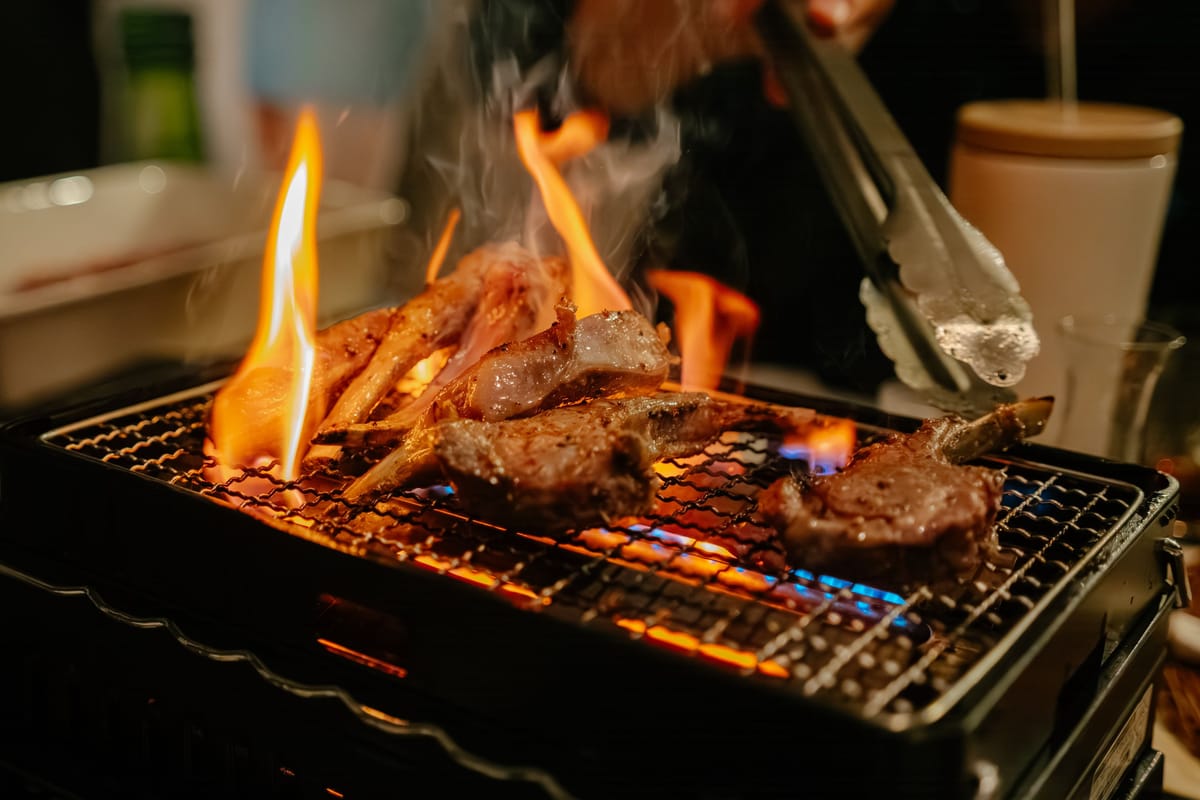
Ask five Karoo cooks what goes into a proper lamb dish and you'll get seven answers. One will insist on a shoulder cooked slowly with onions and potatoes. Another will defend tjopies over the coals, while someone else will reach for a black pot and a family recipe that was never written down.
Taste, however, begins long before the meat reaches the kitchen. Breed plays a part, as do the animal’s age and condition. But research suggests the veld matters more than anything.
The veld leaves its mark
The name Karoo lamb became a registered South African geographical indication in October 2023, which protects products whose qualities are connected to a particular place.
Under the official Karoo Lamb specification published in the Government Gazette, qualifying animals must be born in the Karoo or raised there for at least six continuous months before slaughter. They must graze freely on natural veld rather than being raised in feedlots, while permanent pastures are excluded during the final six months.
The rules point to the factor most closely associated with the meat’s distinctive taste. Karoo sheep browse among aromatic shrubs and grasses, including plants containing compounds that can pass into their fat and influence its aroma.
A peer-reviewed study of extensively farmed Dorper lamb found clear differences between meat from farms in different vegetation regions. Lamb raised on fragrant Karoo plants developed more noticeable herbaceous qualities, while animals from grass or lucerne systems produced different sensory characteristics.
The effect is a subtly savoury, slightly herbal aroma which becomes more noticeable as the fat warms during cooking.
Breed matters, although it's not the whole story
Dorper, Merino and Dohne Merino sheep are all associated with Karoo farming. Each offers different production advantages, from meat yield and hardiness to wool quality, but the official rules don't reserve the Karoo name for one breed. They merely favour meat-type animals with a good balance between bone and muscle as well as an even spread of fat.
Breed can affect growth, fat distribution and the way animals choose plants while grazing. Still, the breed cannot explain the regional taste on its own. The Dorper study found differences among animals of the same breed raised on different farms, which strengthens the case for diet and environment as important flavour-makers.
Age changes the meal
Age becomes especially important when deciding how the meat should be cooked. Registered Karoo Lamb must fall into the A age class and weigh above 12 kilograms but below 25 kilograms. The South African Meat Industry Company explains that these also classified for fatness, conformation and damage.
Younger lamb generally suits quick cooking because its meat is naturally tender. Chops, ribs and smaller leg portions can be grilled or roasted without hours of simmering. Older sheep develops a deeper flavour but usually needs slower cooking to soften its connective tissue.
That difference does not make mutton inferior. A carefully cooked mutton bredie can be richer and more satisfying than a young lamb chop. Trouble begins when the cook treats both animals as though they were the same.
Good meat can still be badly cooked
The cut should decide the method. Loin chops and ribbetjies respond well to fierce heat followed by a short rest. Neck, shank and shoulder need moisture and time at a low temperature.
Restraint is also needed. Heavy sauces and handfuls of herbs can bury the very flavour that makes natural Karoo veld lamb distinctive. Salt, pepper, onion and perhaps a little garlic are often enough, while potatoes or beans can absorb the cooking juices without taking over the dish.
Fat should not automatically be trimmed away before cooking. Research into regional lamb has found that sensory differences are often strongest in the fat, which carries many of the aroma compounds linked to diet. The fat also protects the meat from drying out.
Tradition supplies the final ingredient
Science can explain aromatic plants and cooking temperatures but it can't settle the debate over whether a proper lamb pot needs carrots, whether tomato belongs in a bredie or how ribs should be basted.
Those decisions belong to different families. Traditional lamb recipes often grew around what a household garden produced and how much fuel or time was available. One generation cooked a shoulder in a wood-fired oven, another adapted it for an electric stove and the next may use a slow cooker.
A proper Karoo lamb dish begins with an animal bred on the veld, respects its age and cut, then passes through the hands of a cook who knows when to add flavour. The veld provides the accent, but the kitchen gives it a voice.
 Mariana Balt
 Lynette Spencer
 Liz Thorne
 Anchen Coetzee



Comments ()