
The veld food revival
A Karoo food revival is changing how people grow, cook and eat. From foraging and heritage seeds to mosbolletjies and inventive local chefs, the region is rediscovering flavour through place.
🔴 You might also like to read:
 Naomi Roebert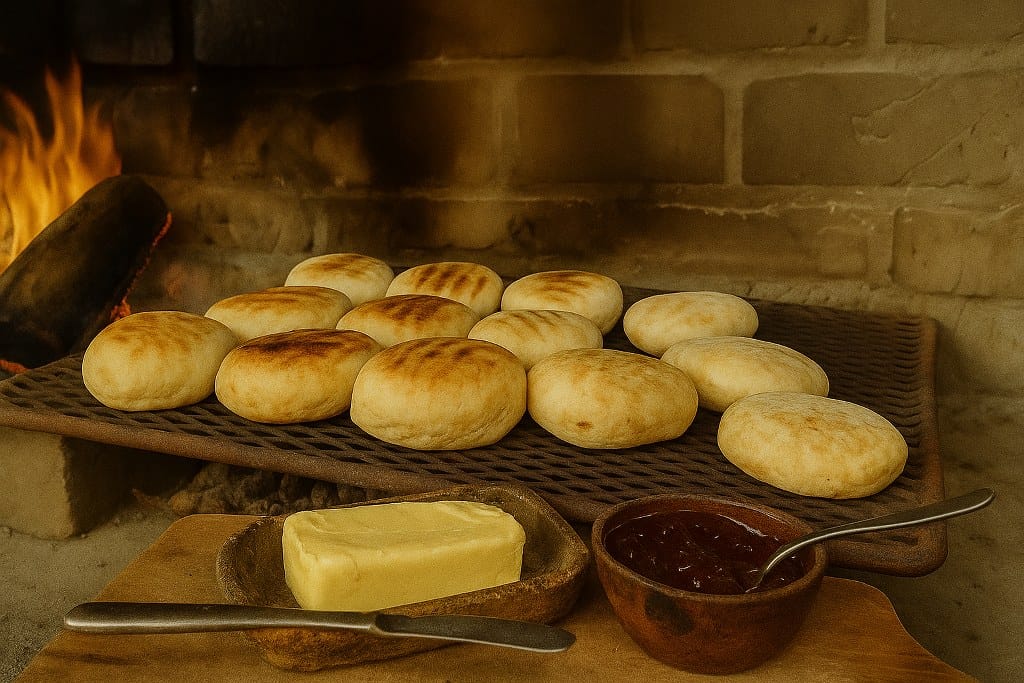
The food revival in the Karoo is not driven by glossy trends or imported ideas but by soil and a growing confidence in what the veld already offers. From foraging walks and seed swaps to home-baked mosbolletjies and restaurant menus inspired by drought-hardy plants, Karoo food culture is being redone from the ground up.
This revival provides continuity as it draws on old knowledge while allowing room for experimentation, with home cooks and chefs alike contributing to a shared conversation about flavour and place.
Foraging as everyday knowledge
Foraging in the Karoo has always existed, although it was rarely labelled as such. Previous generations knew which veld plants could be eaten, brewed or used medicinally, often out of necessity. This knowledge is resurfacing with renewed purpose.
Wild herbs, edible bulbs and seasonal greens are being gathered carefully, often guided by elders or local experts who understand the notations of rain and scarcity.
What has changed is the intention, and foraging has become a way of reconnecting with environment while diversifying what ends up on the plate.
This approach strengthens food security while also expanding flavour. It encourages restraint and attentiveness, values that sit comfortably within the Karoo’s slower pace of life. In the process, foraging becomes both a culinary practice and a way of reading the land.
Heritage seeds and life-preserving gardens
Alongside foraging, the saving and sharing of old seed varieties is gaining momentum. Gardeners across the region are rediscovering crops that were once common in Karoo soil before commercial hybrids took over. These plants are often better suited to heat, wind and erratic rainfall.
Beans that thrive without much water, melons selected over generations for sweetness rather than size and hardy grains once grown on small plots are finding their way back into gardens.
By growing from heritage seeds, households reduce reliance on external supply chains while protecting a genetic diversity that has been determined by local conditions. Seed swaps and informal exchanges have become social events, linking food production to community as well as commerce.
🔴 You might also like to read:
 Naomi Roebert
Mosbolletjies and the return of home baking
Few foods capture this revival as warmly as mosbolletjies. Traditionally baked with grape must during harvest season, these lightly fermented buns speak to patience and timing. They also reflect a domestic skill that was once commonplace and later sidelined by convenience.
Home bakers are returning to slow fermentation using natural yeasts and seasonal baking. The process takes longer but rewards care with depth of flavour and texture. It also invites collaboration, since mos often needs to be shared or sourced locally.
As a result, baking once again anchors daily life in the modern Karoo kitchen.
New chefs rethinking local flavour
A younger generation of Karoo chefs is carrying these ideas into professional kitchens. Trained in cities but rooted in rural towns, they are building menus that are simultaneously rooted and surprising.
Local lamb is paired with wild herbs gathered nearby and fermented grains appear alongside veld greens. Traditional ingredients are treated with contemporary technique, not to elevate them artificially but to reveal what was always there.
These chefs are responding to place, working with what is available while creating dishes that feel relevant to modern diners. In doing so, Karoo food becomes something dynamic and refreshingly traditional.
Economic and cultural ripple effects
The impact of this food revival extends beyond the table. Small-scale growers find new markets for unusual produce and small bakers sell carefully home-crafted loaves. Restaurants attract visitors interested in eating something they cannot find elsewhere.
This strengthens rural economies while reinforcing cultural confidence. Food becomes the language through which the Karoo speaks for itself.
At a time when distance and cost place pressure on rural living, the ability to source food locally is practical and empowering, reminding communities that value does not only arrive by truck.
A future made in place
The veld food revival is a gradual rebalancing of climate realities, economic necessity and a renewed respect for traditional knowledge.
What makes it powerful is its ordinariness and the fact that it happens in gardens and small restaurants rather than conference halls.
As the Karoo continues to adapt to change, this approach to food offers something steady, strengthening connection and proving that innovation does not always require reinvention: sometimes all we need to do is notice what has always been growing nearby.
🔴 You might also like to read:
 Naomi Roebert

Comments ()