
The borehole gamble
The borehole is not a silver bullet, but it is one tool in a wider strategy of survival.
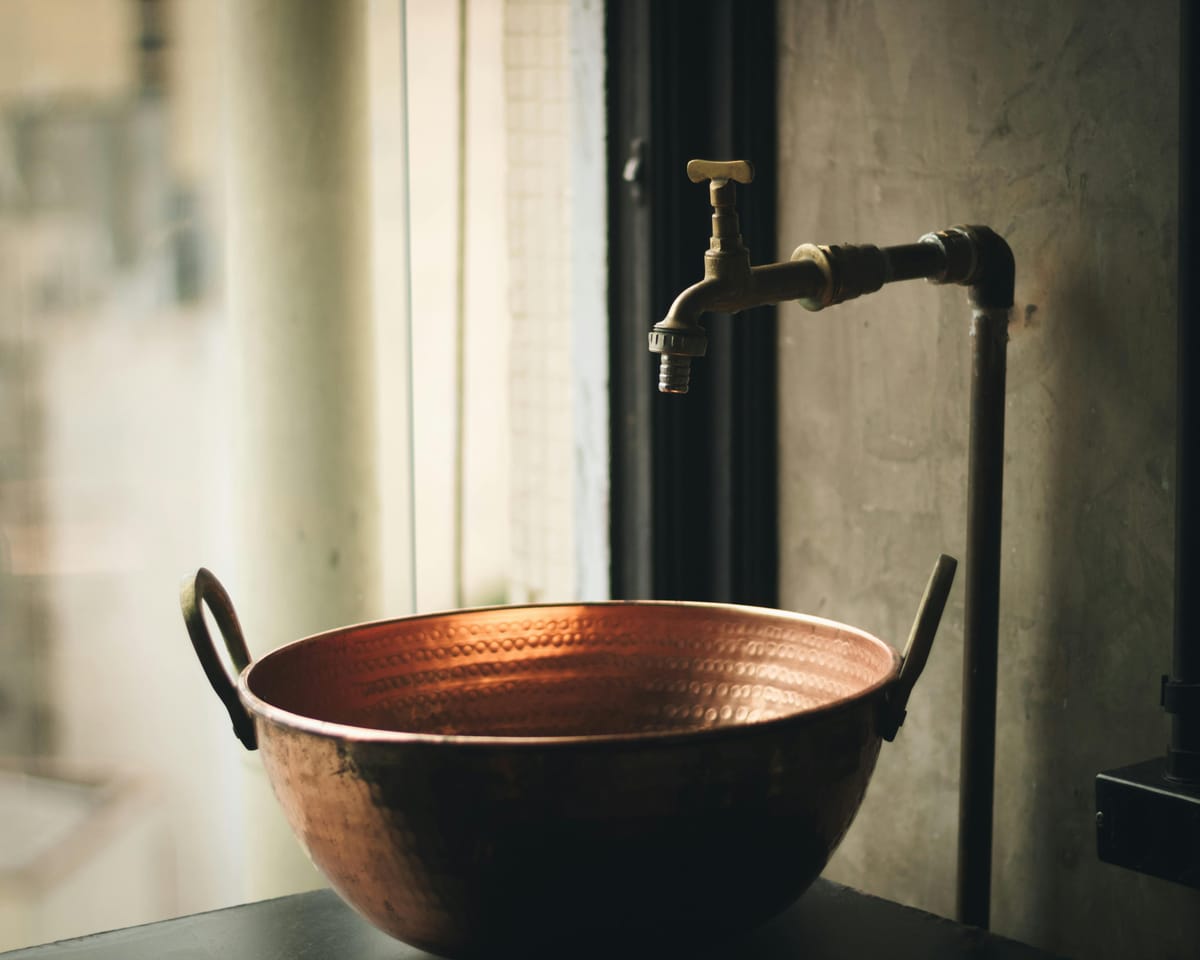
Water in the Karoo is security, inheritance and sometimes the difference between holding on and letting go. As rainfall patterns grow less predictable and dry spells last longer, more families are facing a difficult question. Do we drill deeper, or do we live with the risk?
Rather than a romantic investment, a borehole is a calculated gamble that can cost hundreds of thousands of rand, with no guarantee of reward. The deeper you drill, the higher the bill climbs, while the outcome remains hidden beneath layers of shale and rock.
When the rain no longer follows the old rules
The Karoo has always had dry years, certainly, but they were often followed by generous seasons that restored dams and lifted morale. Now rainfall often arrives late or disappears entirely for months at a time.
Surface water becomes unreliable as earth dams shrink and in response, families look underground. Groundwater has always been part of Karoo farming, but declining rainfall places greater pressure on aquifers that recharge slowly.
While drilling deeper feels proactive and offers control, this control in a dryland system is rarely absolute.
The cost of chasing water
Drilling a new borehole can cost anywhere from R200 000 to well over R500 000, depending on depth and geology. Add casing, pumps, electrical installation or solar systems and the figure climbs. This is not a small decision for a family farm already managing feed and wage costs.
There are surveys and divining rods, hydrogeological maps and local knowledge passed down through neighbours. Some swear by instinct while most rely on scientific assessments. Even so, no one can promise what lies below.
Sometimes the drill strikes a strong vein of clean water at manageable depth (the relief is immediate and profound). Sometimes it finds only a trickle and occasionally it brings up water that is too saline for livestock or irrigation. This is the moment the gamble becomes painfully clear.
When the water is brackish
Brackish water complicates everything. High salt content can damage crops and corrode infrastructure. Sheep may tolerate moderate salinity, though long-term exposure can affect weight gain and health. The risks for irrigation multiply as salts accumulate in soil, reducing fertility over time.
Families then face a second layer of cost. Filtration systems, blending strategies with better quality sources or, in some cases, abandoning the borehole altogether. What began as a solution becomes another financial burden.
How families weigh the risk
The decision to drill is rarely taken lightly. It is one that involves spreadsheets and prayer - parents consider what kind of farm they will hand to their children. Younger farmers weigh long-term survival against immediate debt.
There is also pride at stake. The Karoo has always valued self-reliance, so that securing your own water supply is a strength. Relying on municipal water in a small town, where infrastructure may already be strained, is uncertain at best.
Community and consequence
Neighbouring properties watch closely when one farm drills deeper. Aquifers do not respect fence lines and increased extraction in one area can lower water tables elsewhere. This creates a tension between individual survival and a shared resource.
Informal agreements are made in some districts. Some farmers may compare notes on yield and depth or share information about which contractors delivered honest work and which did not. Neighbourly trust is essential when the stakes sit beneath your feet.
There are also broader conversations about sustainable groundwater management. While regulation exists, enforcement in remote regions can be uneven. As more boreholes are drilled, the long-term health of aquifers becomes a collective concern.
Living with uncertainty
Ultimately, the borehole gamble reflects a deeper truth about farming in the Karoo, where uncertainty is a part of daily life. Rain may not fall and markets may shift and now, even the ground beneath carries its own risk.
But families continue to adapt. Some invest in solar pumps to reduce diesel dependency while others diversify income streams or reduce herd sizes to match available water. A few explore water harvesting techniques that complement groundwater use rather than replace it.
The borehole is not a silver bullet, but it is one tool in a wider strategy of survival.
In the end, drilling deeper is a calculation based on optimism. This calculation weighs present cost against future security, knowing that certainty is never guaranteed.
The decision for many comes down to this: the risk of drilling may be high, but the risk of doing nothing can feel higher. Water, after all, is the foundation on which every other decision rests.

Comments ()