
Karoo communities brace for possible El Niño return in 2026
The Karoo has always demanded hardiness, but the pace and intensity of recent climate swings sharpen that challenge.
🔴 You might also like to read:
 Naomi Roebert
Climate models pointing to a possible El Niño later in 2026 are already stirring conversations across the Karoo. People are weighing water levels against fodder stores while scanning the horizon for signs of another testing cycle.
Forecasts remain cautious rather than conclusive, but the prospect of hotter, drier conditions during late winter and spring carries enough weight to influence decisions being made right now.
This region has lived through enough climatic whiplash to know that preparation rarely starts when dams hit red lines. Rather, it begins months earlier, with adjustments to stocking rates and pipelines and frank discussions about how much risk households and businesses can absorb.
Signals farmers are watching closely
International forecasting centres suggest the Pacific climate system may shift away from its current cooler phase toward neutral conditions, with the chance of El Niño rising as 2026 progresses.
South African climate scientists quoted in recent reporting have urged producers to remain alert rather than alarmed, stressing that probabilities can still swing.
For Karoo producers, those probabilities serve as practical prompts. If the coming winter proves mild and dry, grazing pressure could build early. Spring heat would accelerate evaporation while stressing crops planted for fodder or seed, especially where irrigation relies on marginal boreholes or shrinking farm dams.
Sheep and goat farmers feel these shifts first. Sparse veld translates into higher feed bills, while heat stress can affect reproduction and weight gain. Mixed operations and game farms run similar calculations, balancing ecological sustainability with the need to maintain cash flow in lean years.
Pressure points for Karoo towns
Agriculture anchors most Karoo settlements, which means climate risk radiates outward from the farm gate.
When production tightens, seasonal employment often follows, trimming spending in hardware stores and fuel depots. Transport operators move fewer loads, abattoirs process fewer animals and auction rings grow quieter.
Water remains the central anxiety. Many towns depend on modest dams or groundwater systems already stretched by rising populations and ageing infrastructure.
A dry spring could force councils to impose restrictions earlier than usual while accelerating drilling programmes or pipe repairs that were meant to wait another budget cycle. Tourism and conservation areas also sit within this web. Visitors drawn to spring blooms on open plains may hesitate during prolonged droughts, while nature reserves juggle wildlife needs against declining natural water points.
How Karoo farmers prepare
Karoo farmers often lean on strategies refined through decades of hard seasons. Conversations with agricultural advisors increasingly revolve around flexibility rather than single-track plans.
Areas of preparation include:
• Reviewing stocking rates early so reductions can happen gradually rather than under crisis conditions;
• Locking in supplementary feed contracts while prices remain stable;
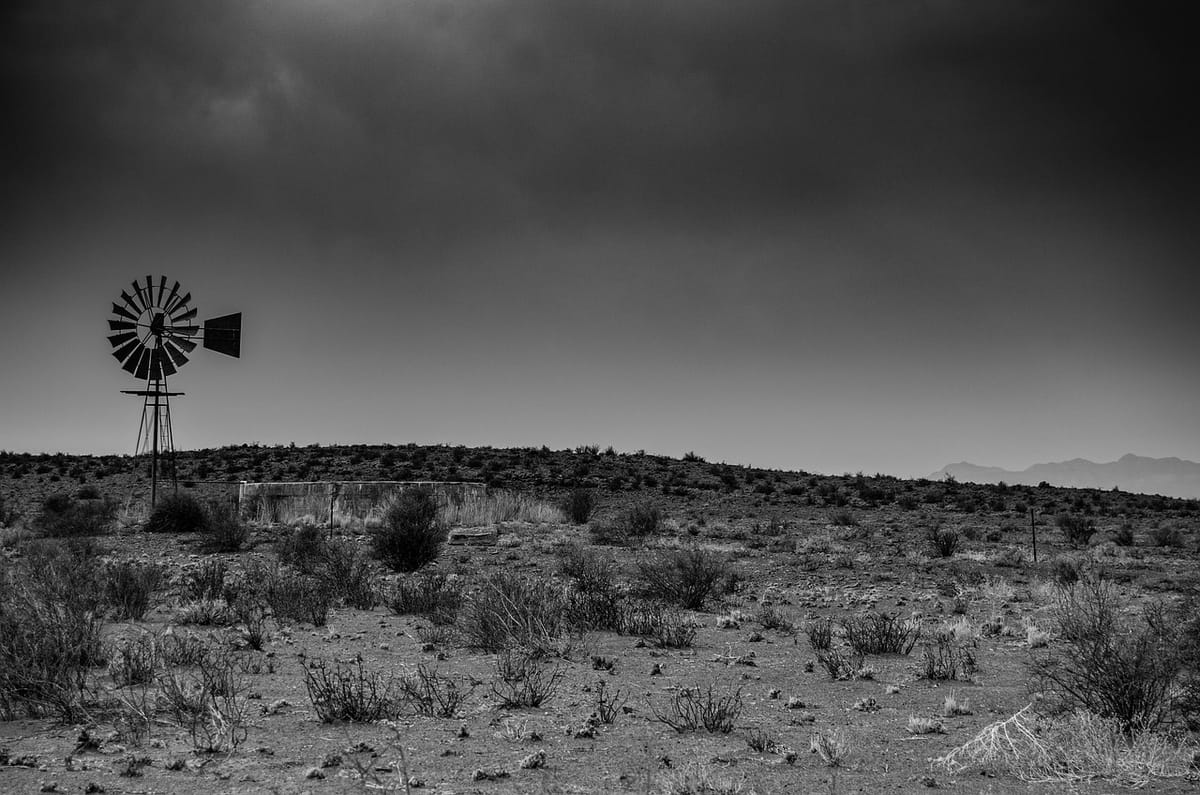
• Prioritising maintenance on boreholes, windmills and pipelines before demand peaks;
• Shifting cropping choices toward drought-tolerant varieties where possible;
• Resting camps strategically to protect veld health ahead of potential heat stress.
Financial buffers form another line of defence, because producers who can build reserves during good years place themselves in a stronger position to ride out dry cycles without drastic herd reductions. Insurance products, where viable, also feature more prominently in planning discussions.
The coming months will bring revised probabilities and new seasonal outlooks. Each update feeds into the same underlying question: how to stay one step ahead of the weather.
Living with climate swings
The Karoo has always demanded hardiness, but the pace and intensity of recent climate swings sharpen that challenge. Preparing for a potential El Niño requires discipline, steady adjustments and learning from past cycles.
Keeping one eye on distant ocean temperatures may feel abstract in the dust of a kraal, but those remote signals increasingly guide everyday choices in South Africa’s semi-desert.
🔴 You might also like to read:
 Naomi Roebert
Comments ()