
Is the Karoo becoming an investment frontier again?
The Karoo is returning to the national investment map and the frontier, it seems, is opening again.
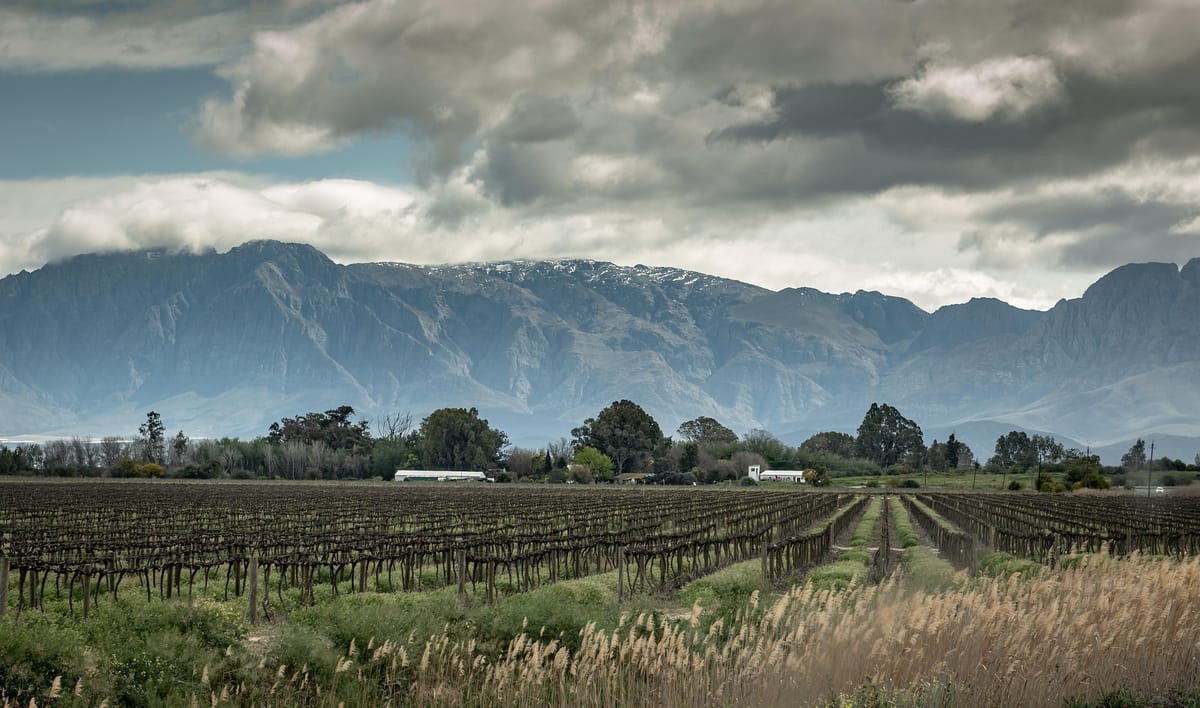
The decades-long perception of the Karoo as a place people pass through is beginning to change. Along with renewed interest in natural resources, the region is attracting attention from investors across property markets and renewable energy projects.
The changes are not dramatic enough to transform the region overnight, but taken together, they suggest that parts of the Karoo may be moving into a new phase of economic interest.
Semigration and the return of capital
One of the clearest signals comes from the Karoo property market:
Recent property reports indicate growing demand for homes in smaller towns across the region. According to Pam Golding Properties, demand has been increasing as buyers search for lifestyle properties outside major cities while still remaining within reach of the Western Cape economy.
Property commentators say the Karoo increasingly appeals to a specific group of buyers. Remote workers, retirees as well as lifestyle investors are purchasing homes that serve both as residences and long-term investments.
Some estate agents describe the trend in simple terms. Owning a Karoo property has become, for some buyers, an alternative to owning a coastal holiday home.
Towns such as Graaff-Reinet, Beaufort West and Cradock have seen renewed interest from buyers who value quiet living while still wanting access to heritage architecture and an older way of life.
This inflow of new residents also injects new spending into small town economies through renovation projects and hospitality businesses along with remote service industries.
Renewable energy reimagining the region
Energy investment may ultimately have an even larger impact. Large-scale wind and solar projects are increasingly being built across the Karoo’s wide plains, where strong winds and abundant sunlight create ideal conditions for renewable energy generation.
One example is the 140 MW Umsinde Emoyeni wind farm near Murraysburg, currently under construction and expected to begin operations in 2026. The project forms part of a broader push to expand South Africa’s renewable energy capacity.
Further north, developers are planning the massive Nuweveld wind farm project, a 720 MW development located between Beaufort West and Loxton. Projects of this scale bring substantial investment during construction while creating long term infrastructure across rural areas. Roads are upgraded, transmission lines are built while local service providers often benefit from temporary employment opportunities.
Energy developers are drawn to the region for simple reasons. The open land has reliable wind patterns and solar radiation levels are among the best in the country. In other words, geography itself has become an economic asset.
The possibility of shale gas
Energy exploration is not limited to renewables. Debate has resurfaced around the Karoo shale gas reserves, believed by some analysts to hold extremely large quantities of technically recoverable natural gas.
Estimates suggest the basin may contain up to 200 trillion cubic feet of shale gas, although the true commercial potential remains uncertain. Government discussions about lifting the long-standing moratorium on fracking have revived interest among energy companies.
Supporters argue that responsible exploration could unlock significant energy resources while stimulating economic activity across the region. Critics raise concerns about groundwater contamination, ecological damage along with the long term sustainability of shale gas extraction in an arid environment.
Even without immediate drilling, the debate itself signals something important. The Karoo is once again appearing in national conversations about energy and investment.
Green economy ambitions
The region is also located within broader national plans for a green energy transition.
South Africa’s Just Energy Transition strategy aims to unlock major investment into renewable energy, infrastructure and low carbon industries over the coming decade. Estimates suggest hundreds of billions of rand could flow into projects linked to renewable power, hydrogen production and new transmission networks.
Large open landscapes such as the Karoo are likely to play a significant role in this transition, particularly as demand grows for renewable energy generation sites. This places the region within a larger continental shift. Across Africa, solar farms, wind parks along with battery storage facilities are expanding rapidly as energy demand rises and clean technologies become more affordable. The Karoo’s natural conditions make it an obvious location for many of these projects.
A frontier in slow motion
The idea of the Karoo as an investment frontier does not resemble the rapid booms seen in cities or coastal developments, and its transformation is slower. A wind farm rising on a distant ridge or a renovated house on a well-trod street, or a small tourism venture expanding to meet new visitors. Each change may seem modest, but together they begin to tell a different story.
The Karoo may never become a bustling economic hub, but it is returning to the national investment map and the frontier, it seems, is opening again.

Comments ()