
Floodwaters leave the Klein Karoo bruised as recovery efforts continue
Disaster management officials described the flooding as among the worst the region has experienced in roughly 30 years.
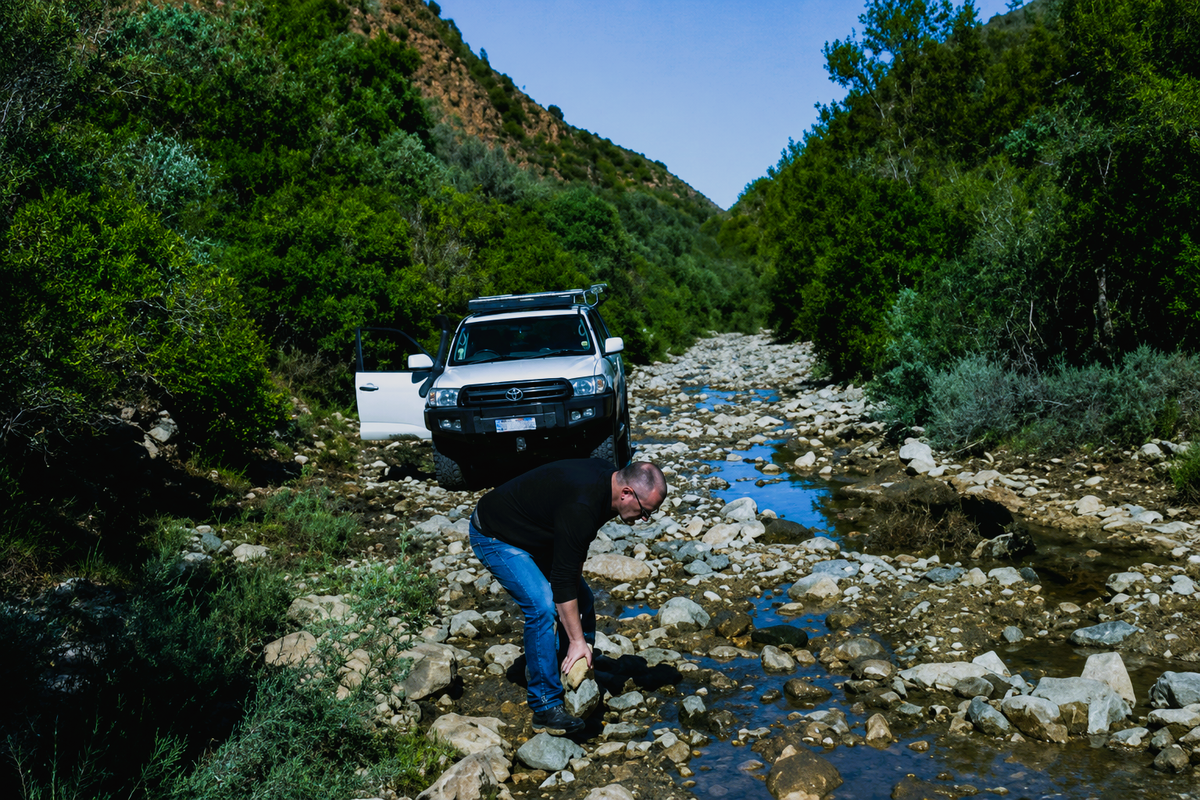
The Klein Karoo is still counting the cost of one of the most destructive storm systems to hit the region in decades.
Days after torrential rain with gale-force winds and floodwaters tore through towns and mountain passes, communities across Oudtshoorn, De Rust, Uniondale and surrounding farming areas remain in recovery mode while officials warn that more severe weather could still strike parts of the Western Cape in the coming weeks.
What began as an intense cut-off low pressure system in early May quickly escalated into a regional disaster. More than 300mm of rain reportedly fell over parts of the Garden Route and Karoo within a matter of days, swelling rivers and washing away roads and bridges.
The destruction has not been confined to coastal towns. Deep inland, the Klein Karoo’s fragile infrastructure has been exposed in dramatic fashion.
Roads, rivers and isolation
Among the most severe impacts has been the closure of Meiringspoort, one of the most important transport links between the Karoo and the Garden Route. Floodwaters rushing through the poort caused major structural damage to sections of the route, leaving authorities uncertain about when it will fully reopen.
The closure has affected tourism traffic as well as freight movement and daily travel between towns such as Beaufort West, Oudtshoorn and George. Alternative routes add significant travel time while also placing pressure on secondary roads not designed for sustained heavy traffic.
Elsewhere, landslides on the R328 near De Kombuys, flooding around Dysselsdorp and damage to low-water bridges have left some farming communities temporarily isolated. Several rural areas around the Kammanassie mountains also became inaccessible during the peak of the storm system.
Disaster management officials described the flooding as among the worst the region has experienced in roughly 30 years.
The damage extended far beyond roads for many residents. Electricity infrastructure was heavily affected while pump stations and water systems failed in some areas due to flooding and power outages. Water tankers have since been deployed to affected communities including Uniondale and Bitou.
The human cost of the storms
Along with damaged infrastructure, the storms displaced families and disrupted everyday life across the district. Community halls in Oudtshoorn and De Rust have been used as temporary shelters for residents forced from their homes by rising water or wind damage.
Rescue operations also took place in remote areas where residents became stranded by floodwaters. A mother and baby were airlifted to safety while other isolated residents received emergency food drops and medical supplies.
Schools across parts of the Garden Route and Klein Karoo were temporarily closed as authorities tried to assess safety risks and restore essential services.
The agricultural sector has also taken strain. Flooded access roads and waterlogged grazing areas have disrupted farming operations across sections of the Klein Karoo, particularly around ostrich and livestock farming regions. Images emerging from the storms showed stranded ostriches, flooded farmlands and swollen rivers cutting through normally dry terrain.
Cleanup operations continue across the region
The cleanup effort now underway is enormous in scale and complexity. Teams from municipalities, Eskom, disaster management services and provincial infrastructure departments are working around the clock to restore roads, clear landslides and reconnect electricity infrastructure.
Heavy machinery continues to remove rockfalls and debris from damaged mountain routes while engineers assess bridge safety and erosion damage. Firefighters and volunteers have also been deployed to clear fallen trees and assist stranded residents.
At the same time, humanitarian organisations including Gift of the Givers and local community groups have distributed food parcels and emergency supplies to affected families. Nearly 1 500 relief hampers had reportedly been distributed within the Garden Route region by mid-May.
Restoration work has been slowed by ongoing bad weather. Strong winds exceeding 100km/h have continued to batter parts of the Garden Route and Little Karoo, delaying repair operations and causing further structural damage in some areas.
What more storms could still mean
The concern now is that the region remains vulnerable. The South African Weather Service has continued warning of disruptive rainfall systems affecting the Western Cape while saturated ground conditions mean even moderate rainfall could trigger renewed flooding and infrastructure failures.
Many rivers and dams remain at high levels while weakened road embankments and unstable slopes pose ongoing risks, particularly in mountain passes and low-lying farming areas. The fear for the Klein Karoo fear is not only immediate storm damage but the longer-term economic effect. Tourism businesses face disrupted winter travel routes while farmers and small towns must now absorb repair costs alongside an already difficult economic climate.
Amid the destruction, there has also been a remarkable community response. Volunteers, emergency workers, farmers and residents have worked side by side to reopen routes in order to deliver supplies and support isolated neighbours.


Comments ()