
Buying a farm in 2026: dream vs reality
Buying a farm in 2026 is a balancing act between rising costs, new agricultural strategies and the everlasting emotional pull of the land. Despite the challenges, people continue to buy farms, not always rationally, but with conviction.
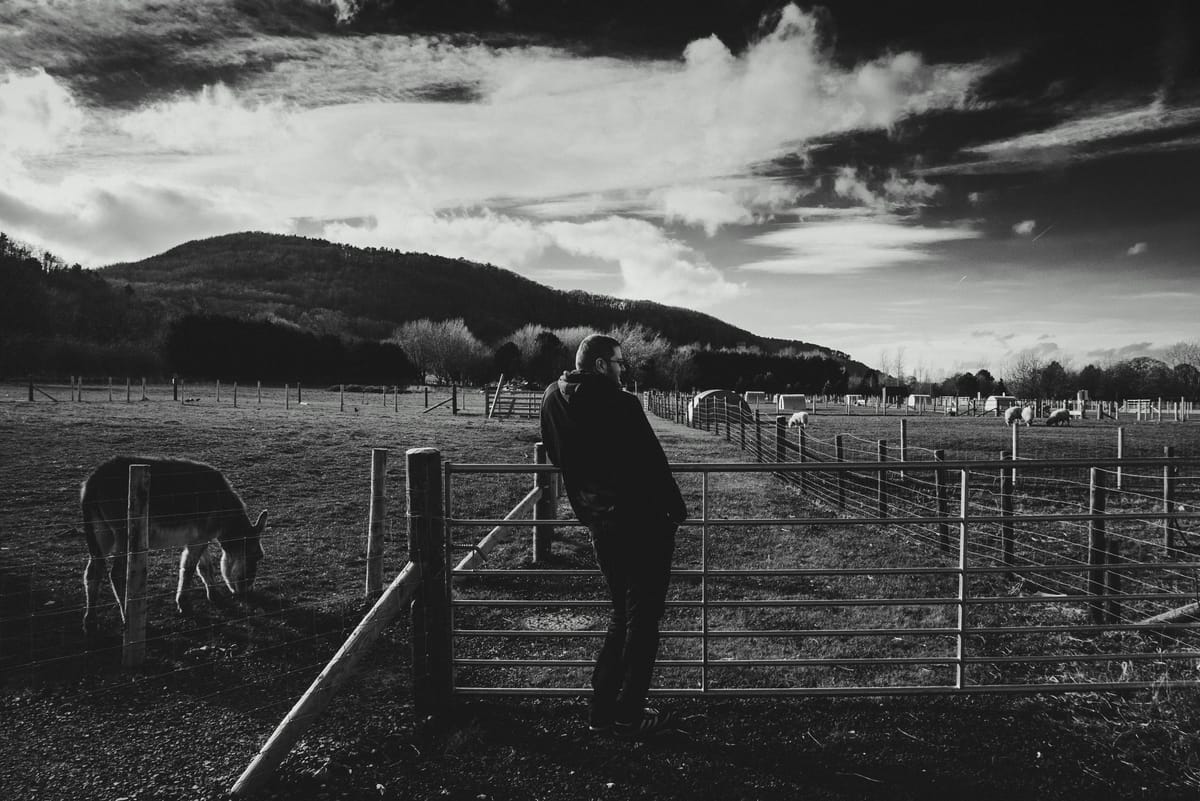

There is something about land that resists logic, convincing otherwise cautious buyers that this, finally, is the thing worth committing to.
Property analysts have noted a steady rise in lifestyle farm purchases, particularly from urban buyers wanting space and self-sufficiency. The trend points to renewed interest in small to mid-scale farming operations, especially those tied to meat production rather than wool.
The dream is simple enough: a stretch of land hosting a manageable herd, perhaps a renovated farmhouse with a wide stoep facing the sunset. The reality, however, begins the moment the gate closes behind you.
The hidden cost of owning land
Purchase price is only the opening line. While property listings often present a neat figure, the actual cost of ownership happens in increments. Initial budgets rarely account for ongoing maintenance or the working capital required to keep operations afloat in the first two to three years.
Fencing alone can change a budget overnight. Kilometres of boundary lines, often degraded by time or wildlife, must be repaired or replaced. Water systems need just as much attention, because pumps fail without warning and storage tanks need constant monitoring.
Then there is access. Roads that appear passable in summer can become impassable after a single storm. Vehicles wear down faster and fuel costs rise with every kilometre between you and the nearest town.
Infrastructure that determines outcomes
Agricultural economists frequently point out that water security is the single most important factor in South African farming. Without reliable access to water, even the most fertile land becomes a liability.
Boreholes, dams and storage systems must work in tandem, while backup power solutions are increasingly necessary as power outages continue to affect rural areas. Housing and labour infrastructure also play a role. Well-maintained worker accommodation and storage facilities can streamline operations, while neglected structures can slow everything down. The gap between expectation and reality often lies here. Buyers imagine the land, but the farm imposes its own realities.
The emotional equation
Despite these challenges, people continue to buy farms, not always rationally, but with conviction. Life on the land causes a psychological evolution in which priorities are reordered and success takes on new meaning.
Some buyers arrive with business plans but stay for something deeper. Others arrive craving an escape and discover responsibility instead. In both cases, the land has a way changing your destiny.
This is perhaps why the market persists. While economic conditions tighten and agricultural margins remain under pressure, the desire to own land has only become more pronounced.
Dream vs. reality
Buying a farm in 2026 is often fuelled by a longing for autonomy and a different pace of life, while the reality delivers infrastructure costs and volatile markets.
Those who succeed tend to understand that land offers freedom while demanding commitment. They accept that returns may be uncertain or even measured in ways that do not fit neatly into financial models. The decision is predicated on more than property, but on a way of life, which is probably why the gate continues to open.




Comments ()